Magnesium-aluminium alloys are lightweight engineering materials based on magnesium (Mg) alloyed with aluminium (Al). Widely used industrial compositions also contain zinc (Zn), while small additions of manganese and other elements can help control microstructure and material properties.
Mg–Al–Zn alloys are valued for their low density, useful casting characteristics and ability to form complex components. In European industry, they are used in automotive engineering, machinery, instrumentation and equipment housings.
Chemical composition and alloy grades
Magnesium is the base metal. Aluminium improves strength and casting behaviour, while zinc contributes to strengthening within suitable concentration ranges. Exact compositions depend on the alloy grade, manufacturing method and applicable technical specification.
| Element | Symbol | Role in the alloy |
|---|---|---|
| Magnesium | Mg | Base metal providing low density |
| Aluminium | Al | Improves strength and castability |
| Zinc | Zn | Contributes to strengthening and microstructural development |
| Manganese | Mn | May improve corrosion resistance in selected grades |
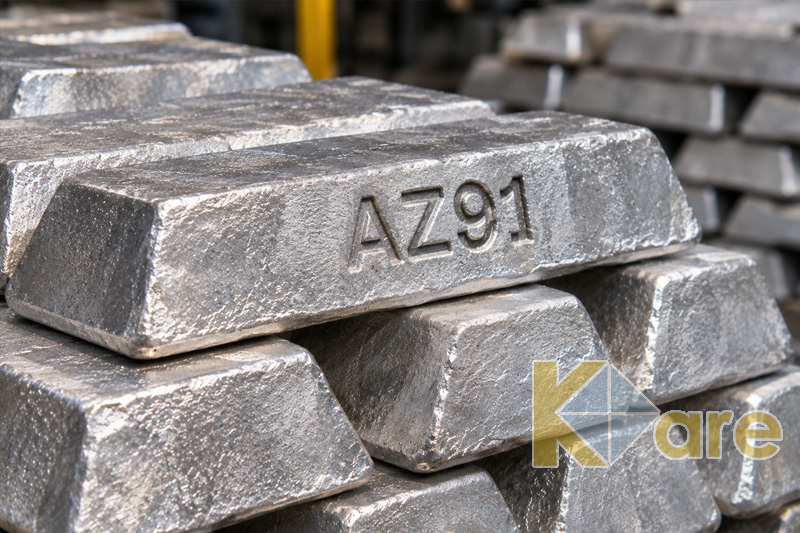
A representative grade is AZ91, a magnesium alloy nominally containing approximately 9% aluminium and 1% zinc. Another example is AZ31, frequently used for wrought products. These designations identify alloy families and do not guarantee identical properties in every manufactured component.
Microstructure and physical properties
The Mg–Al system contains a magnesium-rich matrix and, depending on composition and thermal history, intermetallic constituents including the Mg17Al12 phase. Their distribution influences strength, ductility, creep resistance and elevated-temperature performance.
- Density: commonly approximately 1.7–1.9 g/cm³, depending on grade.
- Strength: depends on composition, manufacturing route, material condition and temperature.
- Castability: good in several grades developed for die casting.
- Machinability: machining is possible with appropriate fire-prevention measures.
- Corrosion resistance: depends on alloy purity, exposure conditions and protective treatments.
- Elevated-temperature performance: conventional Mg–Al–Zn alloys have limitations under sustained loading at higher temperatures.
Low density can reduce component weight, but magnesium alloys are not automatically stronger or more corrosion-resistant than aluminium alloys. Material selection requires verified grade-specific properties and appropriate engineering calculations.
Production and processing
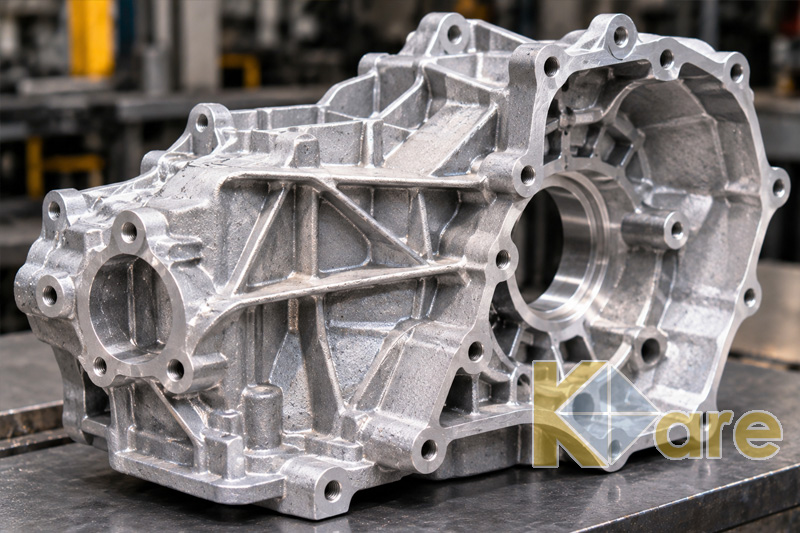
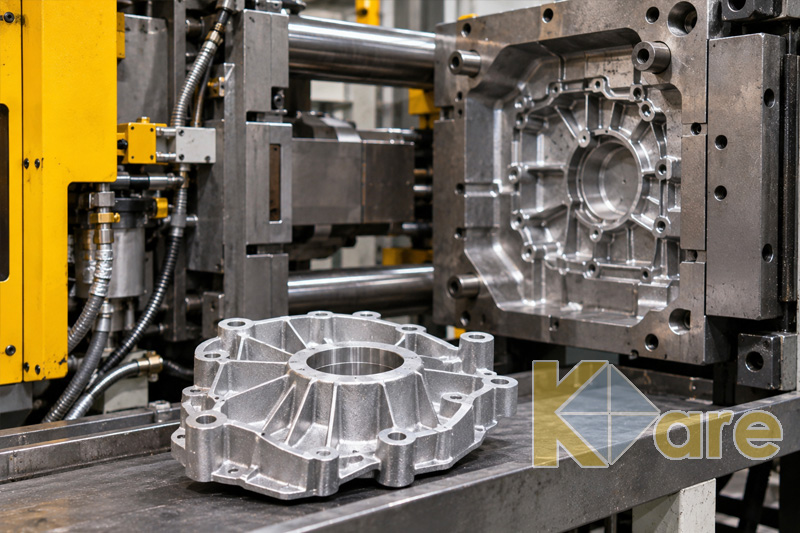
Magnesium-aluminium alloys are manufactured through controlled alloying of molten magnesium, followed by casting or production of wrought semi-finished products. High-pressure die casting is widely used for suitable casting grades and enables complex thin-walled components.
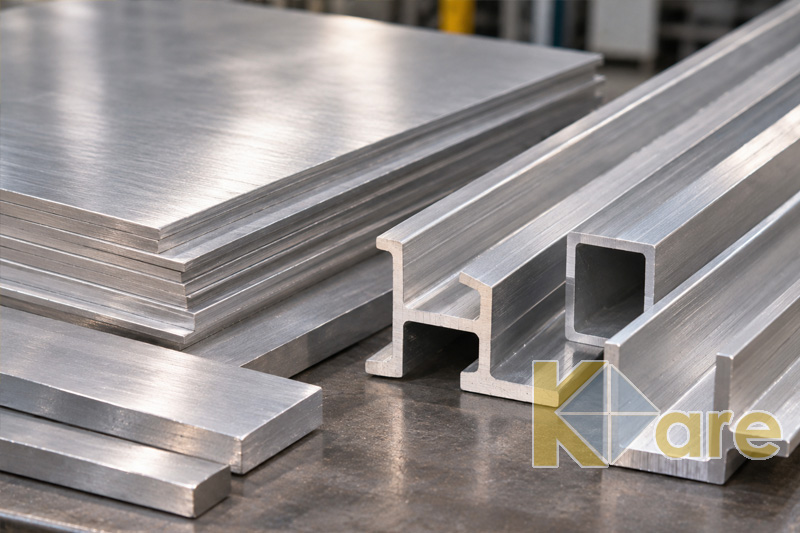
Quality depends on charge composition, impurity levels, melt protection against oxidation, processing temperature and cooling conditions. Heat treatment, extrusion and rolling are also used for appropriate alloy grades.
Fire safety is essential during melting and machining. Fine magnesium chips and dust can ignite, requiring suitable equipment, operating procedures and extinguishing agents designed for combustible metal fires.
Industrial applications
- Automotive engineering: housings, brackets, steering-system parts and auxiliary components.
- Machinery: lightweight mechanical parts and cast structural elements.
- Electronics: housings for instruments, laptops and specialised equipment.
- Transport equipment: components where weight reduction is important.
- Industrial instrumentation: precision-cast enclosures and functional parts.
Every application requires consideration of stiffness, fatigue strength, corrosion exposure, operating temperature and fire safety. Not all Mg–Al–Zn grades are suitable for safety-critical load-bearing components.
European standards and technical requirements
Within the European Union, technical requirements for magnesium alloys depend on the product and manufacturing process. The EN 1753 series covers designations and chemical composition for relevant magnesium alloy castings and ingots. The applicable edition and scope should be verified when preparing a technical specification.
Additional considerations include REACH, CLP, occupational safety and environmental requirements. Automotive, electrical and other products may be subject to further sector-specific rules.
The general composition Mg + Al + Zn does not itself establish compliance with a European standard. The exact grade, material condition and supporting test results must be identified.
Recycling and secondary metallurgy
Magnesium alloys can be recovered through metallurgical recycling. Clean, sorted scrap with a known chemical composition is especially valuable, including runners, production offcuts and rejected castings.
Before remelting, material is sorted, cleaned and analysed. Mixing different magnesium and aluminium alloy grades without composition control can result in material with unpredictable performance.
Collection, storage and recycling operations must account for the fire hazards of fine magnesium scrap and comply with applicable European waste-management requirements.
Advantages and limitations
Advantages: low density, production of complex castings, potential weight savings and suitability for metallurgical recycling.
Limitations: sensitivity to corrosive environments, restricted performance at elevated temperatures, special machining safety requirements and the need for careful grade selection.
Mg–Al–Zn alloys remain an important family of lightweight engineering materials. Their successful use in Europe depends on appropriate composition selection, verified quality and compliance with relevant technical, safety and environmental requirements.