Zirconium (Zr) — properties and uses
Zirconium — a metal for demanding conditions
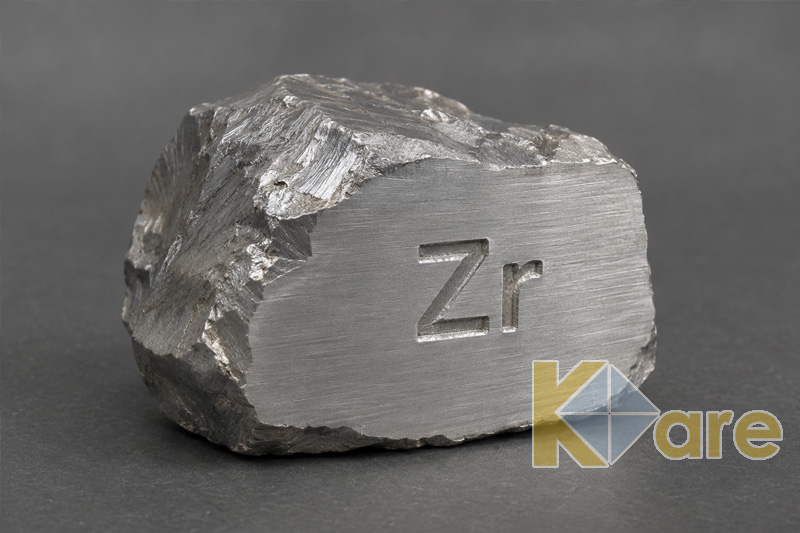
Zirconium (Zr) is a chemical element with atomic number 40 and a silvery-grey transition metal. It has a high melting point and resists corrosion in many environments thanks to a protective oxide film.
Metallic zirconium is used in chemical processing equipment and specialised structural materials. Its compounds are important in ceramics, refractories and other industrial products.
Key characteristics of zirconium
Physical properties
Zirconium is solid at room temperature. The pure metal is ductile and can be formed by working processes. Its mechanical properties depend strongly on purity, structure and processing conditions.
Zirconium conducts electricity and heat. Its high melting point matters in specialised applications, but a component’s permissible service temperature also depends on oxidation, loads and the properties of the particular material.
Chemical properties
A protective zirconium dioxide film forms on the surface. It slows interaction between the metal and its surroundings, providing resistance in many corrosive environments.
Zirconium is not resistant to every chemical. Fluoride-containing environments, for example, can attack the protective film. Material selection considers the composition of the medium, chemical concentrations and temperature.
Bulk metal and fine powder behave differently. Powder and fine machining chips can ignite readily and require specialised handling conditions.
Zirconium in nature
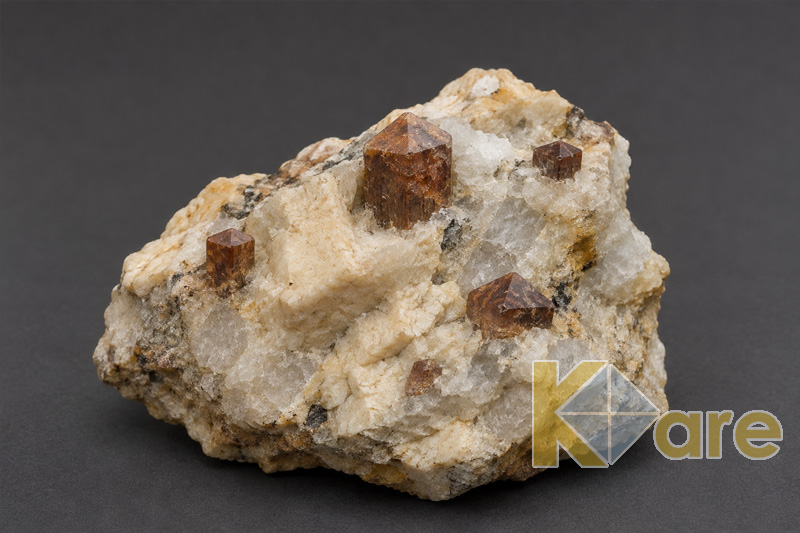
Zirconium occurs naturally mainly in compounds. The most important industrial mineral is zircon (ZrSiO₄). Another source is baddeleyite, a natural form of zirconium dioxide (ZrO₂).
Zirconium is usually associated with hafnium. The two elements have similar chemical properties, making their separation a distinct processing task.
Where zirconium is used
Chemical processing
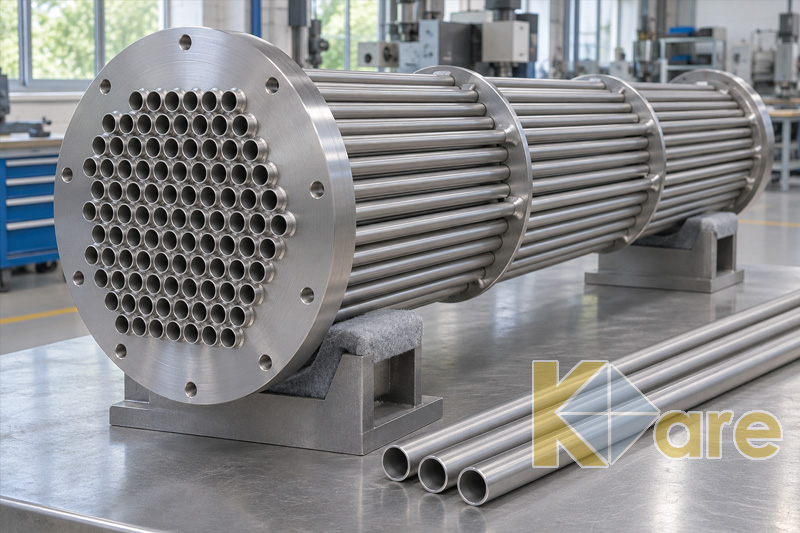
Metallic zirconium is used to manufacture vessels, heat exchangers, pipes and components for suitable corrosive environments.
Nuclear power
Special zirconium alloys with low hafnium content are used for fuel cladding and other components in certain reactor types.
Ceramics and refractories
Zircon and zirconium dioxide are used in ceramic materials, glazes, foundry moulds and refractory products.
Specialised materials
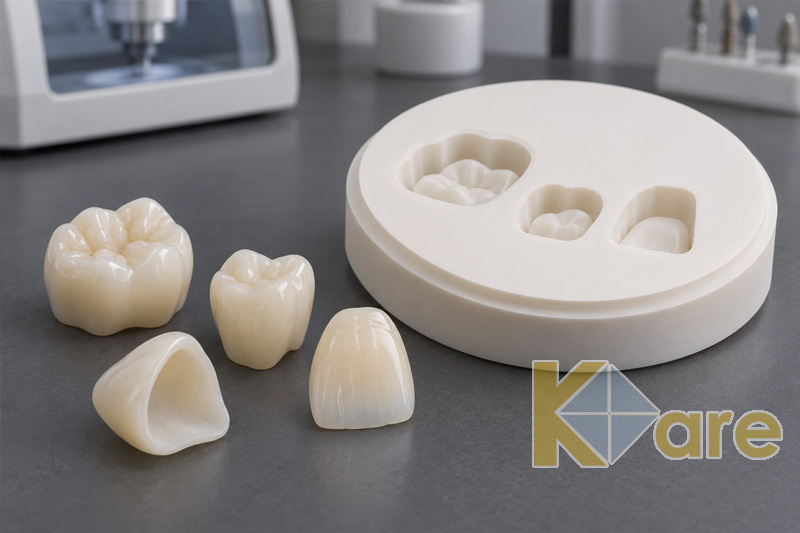
Zirconium serves as an alloying element, while zirconia-based materials are used in technical and dental ceramics.
Zirconium and hafnium
Despite their chemical similarity, zirconium and hafnium differ markedly in their ability to absorb thermal neutrons. Zirconium has low absorption, which is important in several nuclear applications.
Materials for these applications therefore require tightly controlled, low hafnium contents. Requirements for zirconium used in chemical equipment differ from those for nuclear-grade materials.
Zirconium, zircon and zirconia
Zirconium is a chemical element and a metal. Zircon is the natural silicate ZrSiO₄. Zirconium dioxide, also called zirconia, is the compound ZrO₂ used to produce ceramic materials.
These names are not interchangeable. Dental products made from zirconium dioxide, for example, are ceramics rather than metallic zirconium products.
Zirconium and its alloys
Zirconium-based alloys are developed for particular service conditions. They may contain tin, niobium, iron and other elements. Their properties depend on grade, purity and processing.
Zirconium is also added to certain aluminium and other alloys to control their structure. A small zirconium alloying addition does not make the material a zirconium-based alloy.