Aluminium (Al) — Chemical Element
Aluminium — the lightweight metal of modern technology
Aluminium (Al) is a chemical element with atomic number 13, belonging to group 13 of the periodic table. It is a lightweight, silvery-white metal characterized by high thermal conductivity, good electrical conductivity, malleability and resistance to atmospheric corrosion.
Aluminium is one of the most abundant elements in the Earth's crust. Its combination of low density, excellent workability and the ability to form strong alloys makes it widely used in construction, transportation, electrical engineering, packaging and machinery manufacturing.
Main characteristics of aluminium
Physical properties
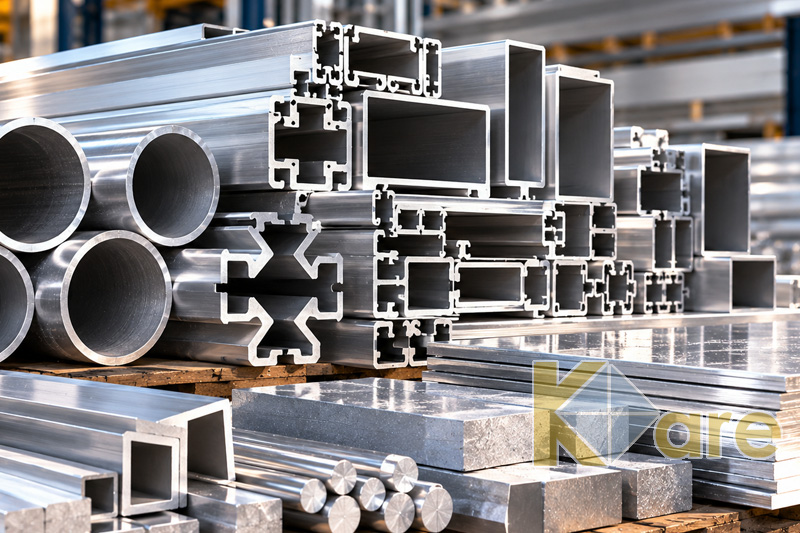
Aluminium has a low density, approximately one-third that of steel. It can be readily rolled, extruded, drawn and formed using various metalworking processes. Aluminium is used to produce thin foil, sheets, profiles, tubes and wire.
A thin oxide film quickly forms on the surface of aluminium, protecting the metal against further oxidation under many operating conditions. Aluminium conducts heat and electricity efficiently, is not ferromagnetic and can be recycled repeatedly while retaining the fundamental properties of the metal.
Applications of aluminium
Construction
Aluminium is used to manufacture window and facade systems, doors, architectural profiles, roofing components and lightweight structural elements.
Transportation and aviation
Aluminium alloys are used in automotive manufacturing, aviation, railway transportation and shipbuilding. Lightweight structures help reduce the overall weight of vehicles.
Electrical engineering
Due to its good electrical conductivity and low density, aluminium is widely used in overhead power lines, electrical cables, busbars and electrical equipment.
Packaging and industry
Aluminium is used to produce food foil, beverage cans, packaging materials, heat exchangers, radiators, equipment housings and various technical products.
Aluminium and its alloys
To increase strength and improve performance, aluminium is alloyed with magnesium, silicon, copper, zinc and other elements. Aluminium-magnesium alloys offer good corrosion resistance, aluminium-silicon alloys are widely used in casting, and high-strength alloys are used in aerospace engineering.
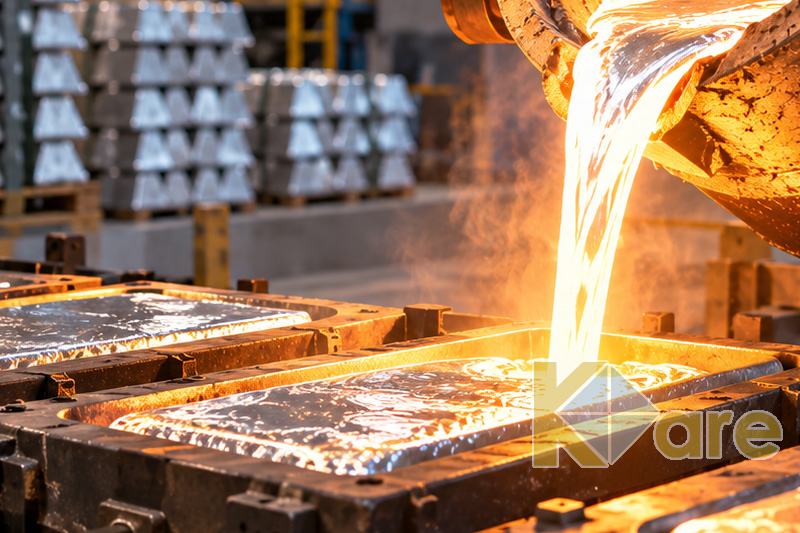
An important advantage of aluminium is its recyclability. Remelting aluminium scrap requires significantly less energy than producing primary aluminium from ore. Therefore, the collection, sorting and recycling of aluminium waste play an important role in industry and the efficient use of resources.