Lead-tin alloys (Pb + Sn)
Lead-tin alloys (Pb + Sn): composition and properties
Lead-tin alloys are metallic materials based on lead (Pb) and tin (Sn). Changing the proportions of these elements produces alloys with different melting characteristics, ductility and processing properties. Historically, these materials have been used for soldering, casting and specialised technical products.
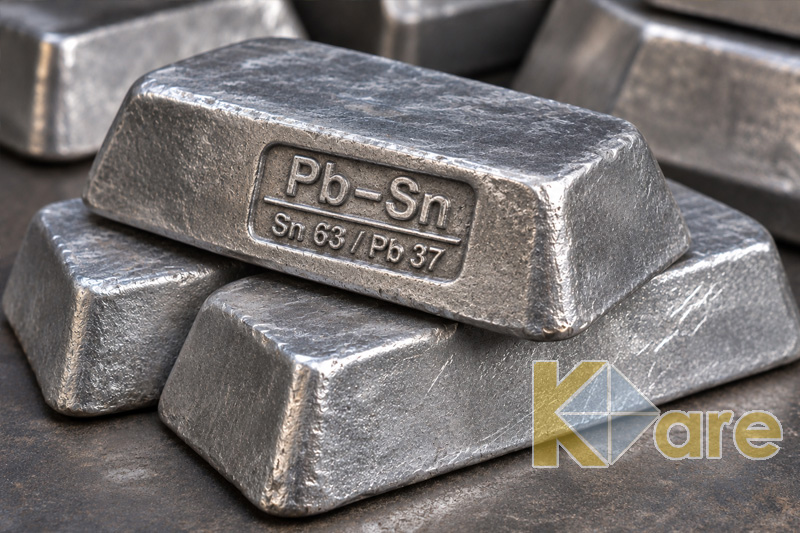
Tin improves wetting and solderability, while lead influences ductility, density and solidification behaviour. The eutectic composition contains approximately 61.9% tin and 38.1% lead by mass and melts at about 183 °C. Other compositions generally melt over a temperature range rather than at a single point.
Types and applications of lead-tin alloys
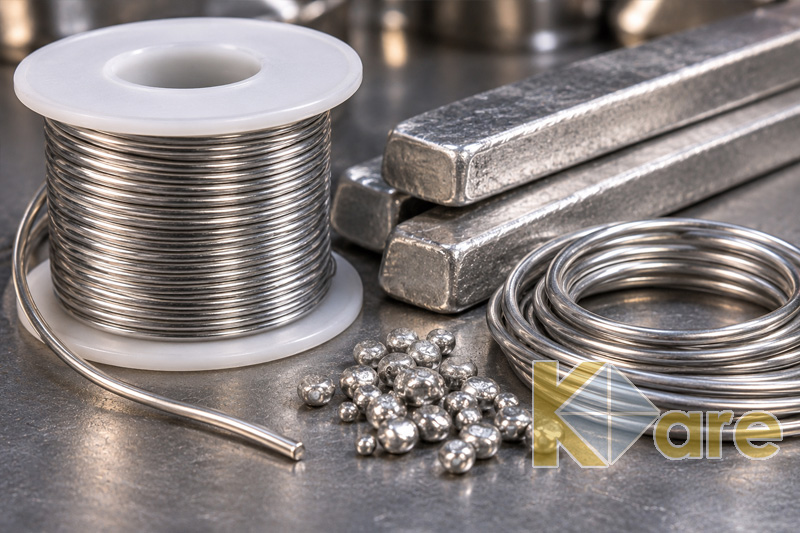
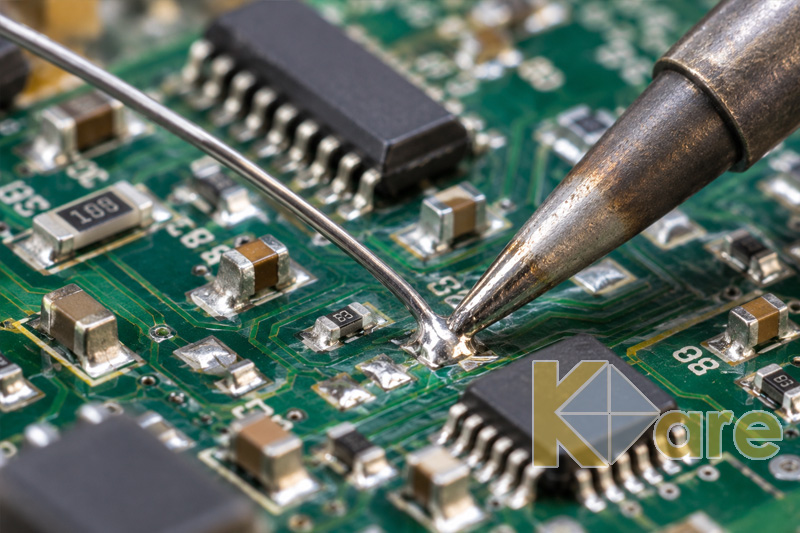
The best-known group comprises tin-lead soft solders, traditionally used to join metal parts and electronic components. Pb–Sn alloys have also been employed in casting, specialised coatings and selected technical products.
- Sn63Pb37 solder — a near-eutectic material with a melting temperature of approximately 183 °C.
- Sn60Pb40 solder — a traditional solder with a narrow melting range.
- Lead-containing casting alloys — materials for specialised castings and technical components.
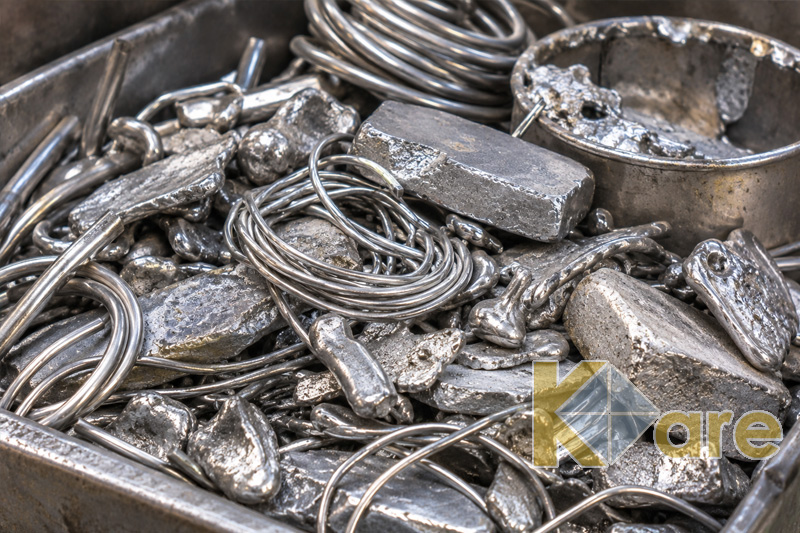
- Secondary Pb–Sn alloys — feedstock for metallurgical recovery, subject to actual composition and impurities.
In the European Union, the use of lead in electrical and electronic equipment is restricted by RoHS Directive 2011/65/EU, subject to applicable exemptions. EN ISO 9453 specifies chemical composition and designation requirements for soft solder alloys. The use of any particular alloy must comply with current product requirements.
Lead-tin alloy scrap and recycling
Pb–Sn scrap may originate from solder residues, manufacturing waste, cast products and dismantled metal components. Its value and suitability for recovery depend on the lead and tin content and the presence of contaminants.
Metal composition can be assessed using analytical methods such as X-ray fluorescence spectroscopy (XRF). Separate collection helps prevent contamination of other non-ferrous scrap streams and supports efficient recovery of valuable metals.
Because lead is toxic, the collection, storage, transport and recycling of these materials must follow applicable EU environmental and occupational safety requirements. Certain lead-containing waste streams may be classified as hazardous waste.
Lead-tin alloys in the secondary metals industry
Kare Pluss considers lead-tin alloys a distinct category of non-ferrous metals relevant to secondary recovery. Material assessment depends on origin, chemical composition, contamination and the feasibility of safe handling.
Recycling Pb–Sn alloys helps return lead and tin to industrial use while reducing demand for primary raw materials. Acceptance conditions for individual scrap types are determined separately.