Lead (Pb) — Chemical Element
Lead — a heavy metal with a long history
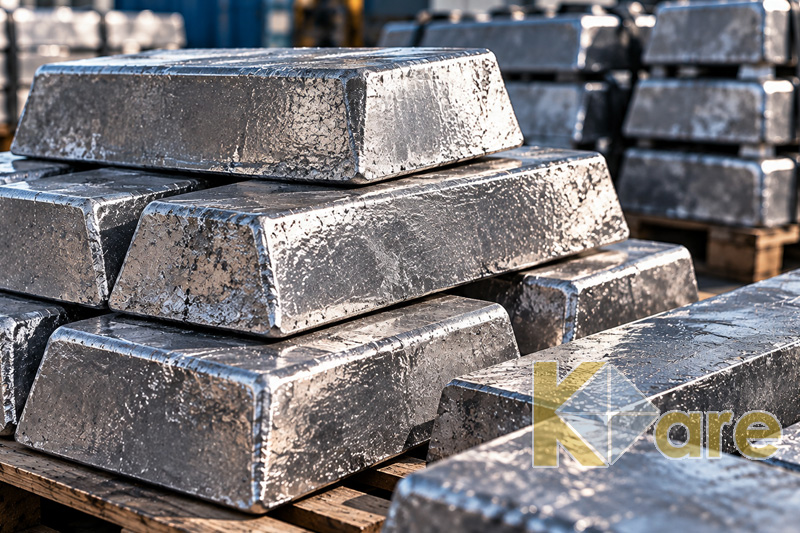
Lead (Pb) is a chemical element with atomic number 82, belonging to group 14 of the periodic table. It is a heavy, soft and malleable silvery-grey metal characterized by high density, a relatively low melting point and resistance to several aggressive environments.
Lead has been known to humanity since ancient times. Because it is easy to shape and melt, it was widely used to manufacture pipes, vessels, building components and various other products. Today, one of its most important applications is the production of lead-acid batteries.
Main characteristics of lead
Physical properties
Lead has a high density and relatively low hardness. The metal is easy to machine, roll and form, although its mechanical strength is comparatively low. A freshly cut lead surface has a metallic shine, but gradually develops a dull protective film when exposed to air.
Its low melting point makes casting and alloy production easier. Due to its high density, lead effectively attenuates X-rays and gamma radiation. However, lead and many of its compounds are toxic, so appropriate safety measures are essential during production, use and recycling.
Applications of lead
Storage batteries
The main application of lead is the production of lead-acid batteries for vehicles, backup power supplies, industrial equipment and energy storage systems.
Radiation shielding
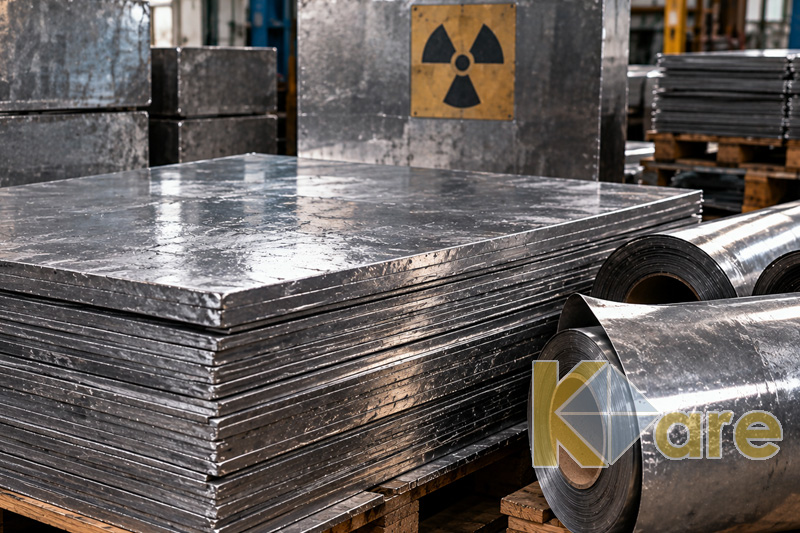
Lead sheets, panels and specialized protective structures are used to attenuate ionizing radiation in medical, scientific and industrial equipment.
Industry and construction
Lead is used in specialized cable sheathing, protective coatings, vibration-damping components and certain structures where high density and corrosion resistance are required.
Alloys and technical products
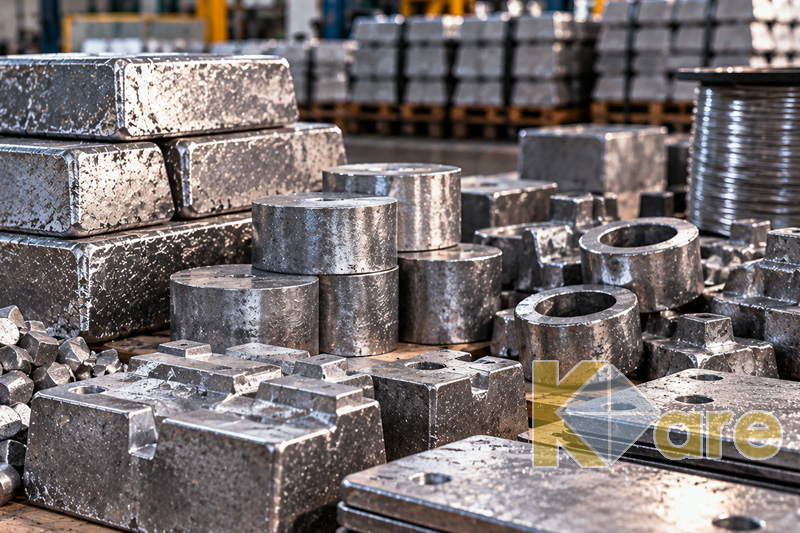
Lead is a component of certain solders, bearing alloys and low-melting-point alloys. It is also used to manufacture counterweights, ballast weights and specialized technical parts.
Lead and its alloys
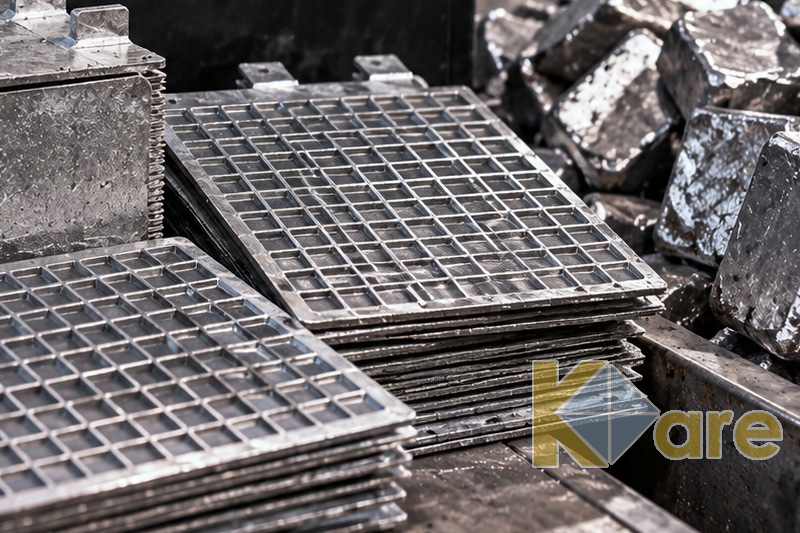
To improve its mechanical and processing properties, lead is alloyed with other metals, including antimony, tin and calcium. Lead-antimony alloys offer increased hardness, while lead-calcium alloys are used, among other applications, to manufacture battery grids.
Secondary lead recycling plays an important role, particularly in recovering metal from spent batteries and industrial scrap. Recycling returns lead to the production cycle, reduces demand for primary raw materials and supports controlled management of toxic waste.