Lithium (Li) — properties and uses
Lithium — the lightest metal
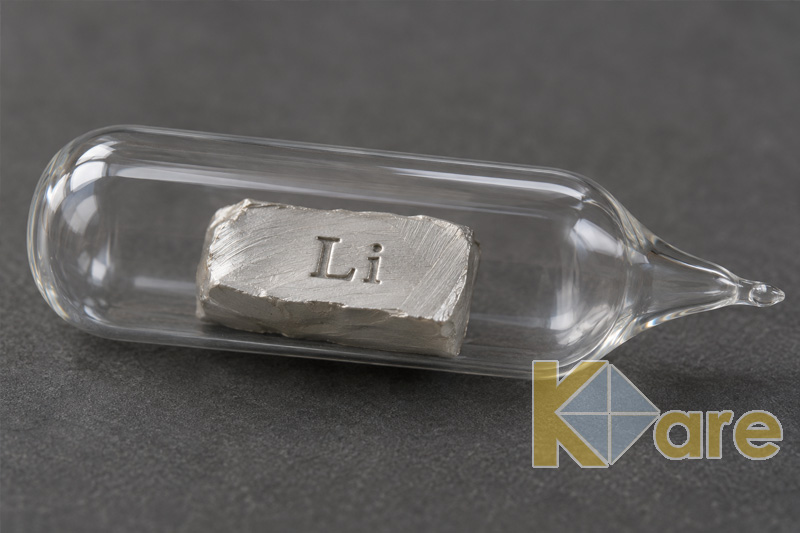
Lithium (Li) is a chemical element with atomic number 3. It is a soft, silvery-white metal belonging to the alkali metal group. It has a very low density and is highly chemically reactive.
Lithium and its compounds are used in batteries, glass, ceramics, lubricants and specialised alloys. Metallic lithium and lithium compounds have different properties and therefore serve different purposes.
Key characteristics of lithium
Physical properties
Lithium is the lightest metal. At room temperature, it is a soft solid with a low density. A freshly exposed surface has a silvery metallic lustre.
Lithium conducts electricity and heat. Its use in batteries is primarily related to its electrochemical properties and low atomic mass rather than its suitability as a conventional electrical conductor.
Chemical properties
Lithium readily undergoes chemical reactions. On exposure to air, its surface gradually becomes covered with products formed through reactions with substances in the surrounding environment, losing its original lustre.
Lithium reacts with water to form lithium hydroxide and release hydrogen. Metallic lithium requires specialised storage conditions that prevent contact with moisture and other incompatible substances.
Lithium in nature
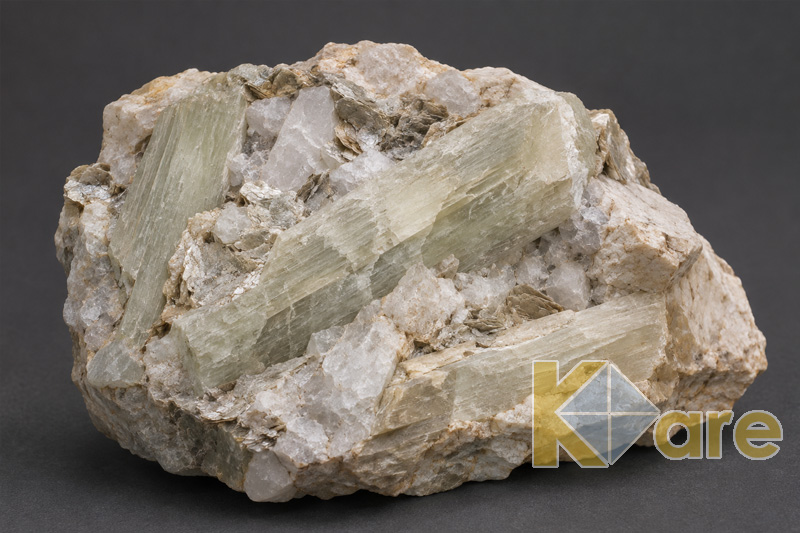
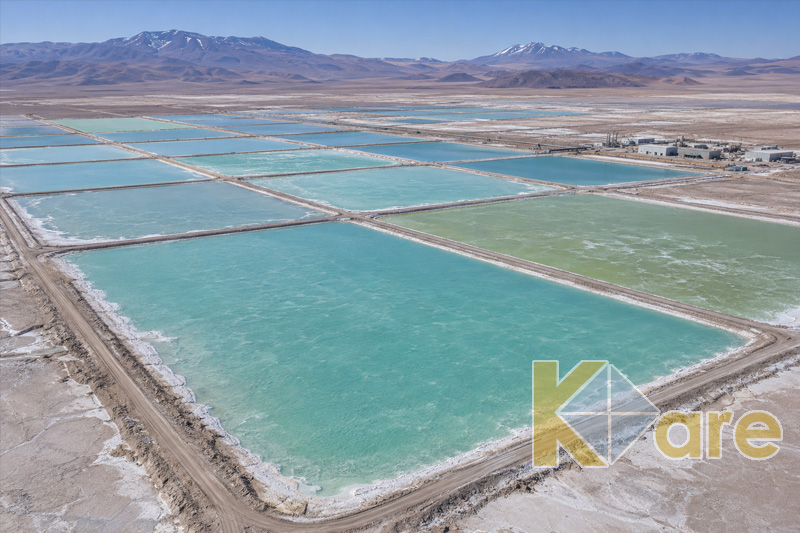
Because of its chemical reactivity, lithium does not occur naturally as a free metal. It is found in minerals, including spodumene, petalite and lithium-bearing micas, and is also present in natural brines.
Processing mineral raw materials and brines produces lithium compounds. Metallic lithium is manufactured separately; one industrial method is the electrolysis of molten chloride salts.
Where lithium is used
Batteries
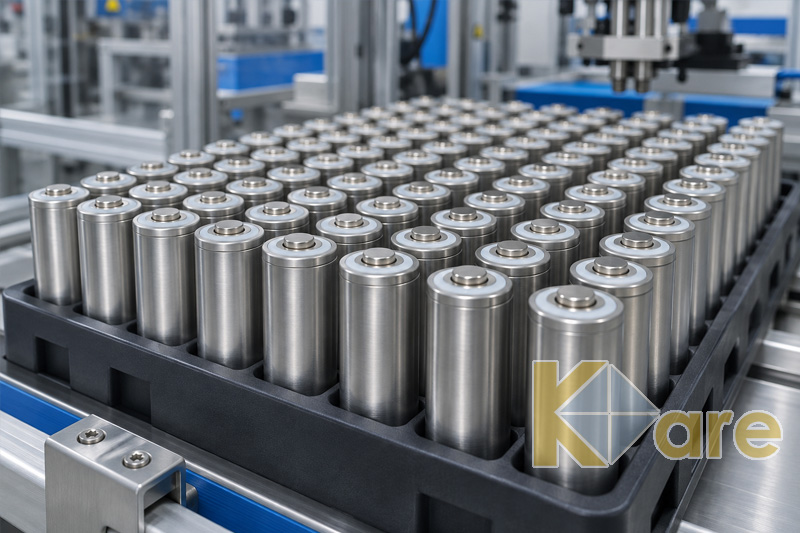
Lithium compounds are used in lithium-ion batteries for electronics, electric transport and energy storage systems. Metallic lithium is used in certain types of lithium cells.
Glass and ceramics
Lithium-containing materials are used to manufacture specialised glasses, glass-ceramics, glazes and ceramic products, helping adjust processing characteristics and service properties.
Lubricants
Lithium soaps act as thickeners in lubricating greases used in bearings, mechanisms and industrial equipment.
Alloys
Lithium is added to specialised metal alloys. In aluminium-lithium materials, it can reduce density and increase the elastic modulus.
Lithium and its compounds
Metallic lithium, lithium carbonate and lithium hydroxide are different substances with different properties. Mentioning the element in an industrial application does not necessarily mean that the product contains the free metal.
Lithium carbonate (Li₂CO₃) and lithium hydroxide (LiOH) are important industrial compounds. They are used, among other applications, as feedstocks for producing battery components.
Lithium in batteries
In a conventional lithium-ion battery, lithium ions move between the electrodes during charging and discharging. The electrode materials accommodate lithium within their structures; metallic lithium is not the intended active material of the negative electrode in most such batteries.
Lithium metal cells have a different design: they may use an electrode made of metallic lithium. The terms “lithium cell” and “lithium-ion battery” are therefore not interchangeable.
Lithium and its alloys
Lithium is used as an alloying element in metallurgy. Aluminium-lithium alloys are particularly well known. They have been developed for structures with demanding weight and stiffness requirements.
Industrial aluminium-lithium alloys often also contain copper, magnesium and other elements. Their properties depend on the complete chemical composition and processing. These materials are used in aircraft and spacecraft structures.