Nickel (Ni) — Chemical Element
Nickel — a metal of strength and modern technology
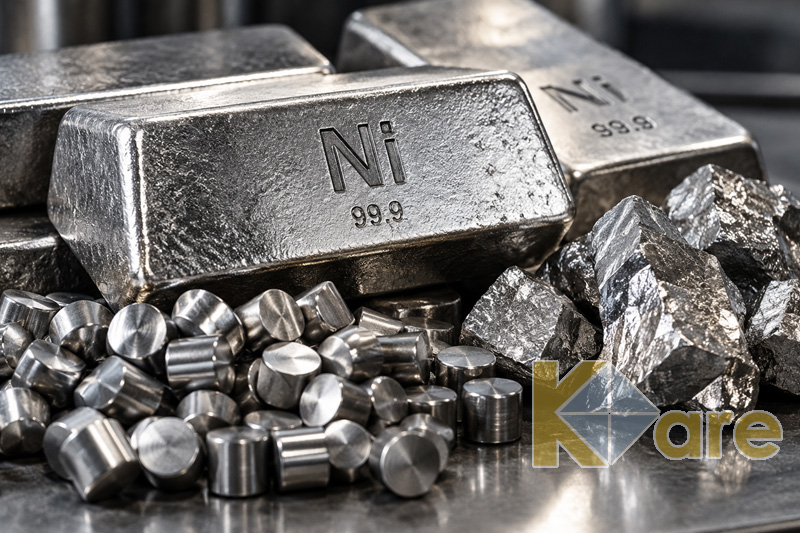
Nickel (Ni) is a chemical element with atomic number 28, a silvery-white metal with a slight golden tint. It combines strength, ductility and resistance to corrosion. These properties make nickel important in metallurgy, mechanical engineering, the chemical industry and energy technologies.
Nickel was identified as a distinct chemical element in 1751 by Swedish chemist Axel Fredrik Cronstedt. Today, it plays an essential role in the production of stainless steel, heat-resistant alloys and batteries.
Key characteristics of nickel
Physical properties
Nickel offers high mechanical strength, malleability and ductility. It can be machined, rolled and drawn into wire. At room temperature, nickel is a ferromagnetic metal.
A thin protective oxide layer forms on nickel's surface, improving its resistance to environmental exposure. Its high melting point and ability to provide valuable properties in alloys make it an important industrial material.
Where nickel is used
Metallurgy
Stainless steels, alloy steels and specialized alloys with enhanced corrosion resistance.
Energy
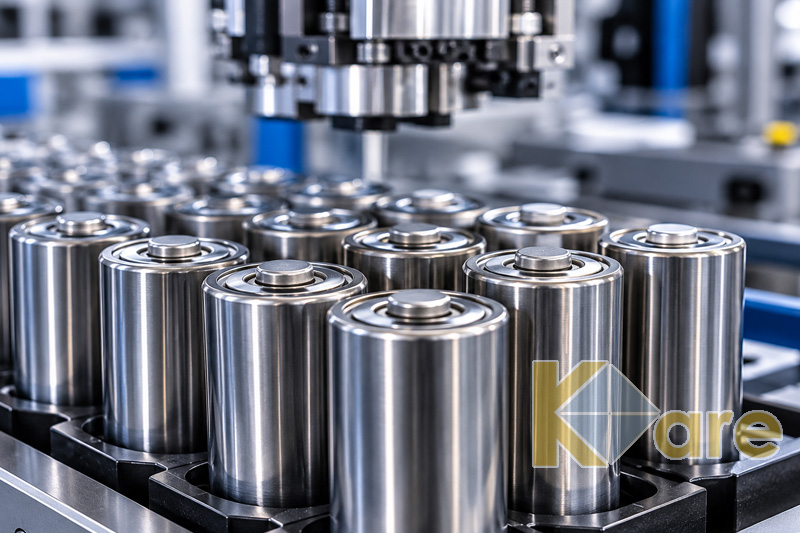
Lithium-ion and nickel-metal hydride batteries, components for energy systems and equipment.
Mechanical engineering
Heat-resistant components for engines, turbines, industrial equipment and critical machinery.
Protective coatings
Nickel plating of metal products for corrosion protection, wear resistance and decorative finishes.
Nickel and its alloys
A significant share of industrial nickel is used in steel alloying and the production of specialized alloys. Adding nickel can improve corrosion resistance, toughness and the performance of materials.
Well-known nickel alloys include nichrome, used in heating elements, and Monel, based on nickel and copper. Nickel-based superalloys are widely used in aircraft engines, gas turbines and equipment operating at elevated temperatures.