Carbon (C) — Properties and Uses
Carbon — an element with a remarkable range of properties
Carbon (C) is a chemical element with atomic number 6, belonging to group 14 of the periodic table. It is a nonmetal that can form different structures, including graphite, diamond and graphene. Although these materials have the same chemical composition, their hardness, electrical conductivity and appearance differ considerably.
Carbon is the fundamental element of organic compounds and plays an essential role in nature and industry. It is important in the production of steel and cast iron and in the manufacture of electrodes, cutting tools, filter materials and advanced composites.
Key characteristics of carbon
Physical properties
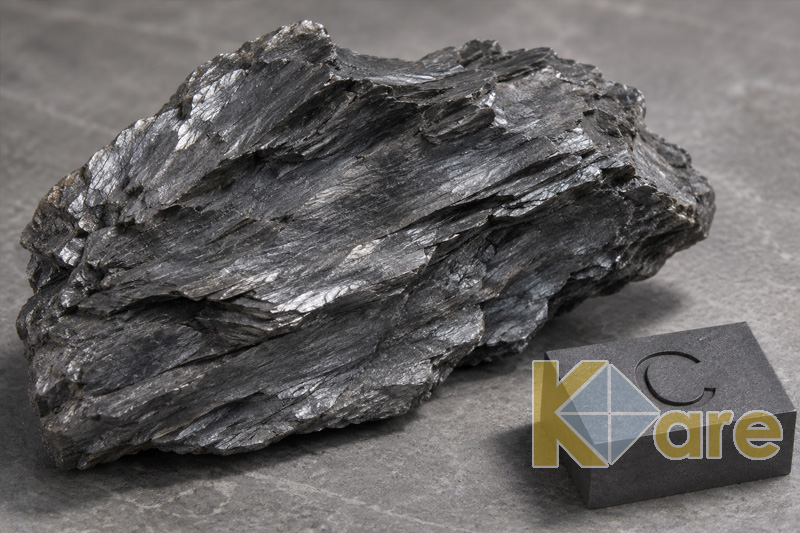
The properties of carbon depend on the arrangement of its atoms and the bonds between them. Graphite is a soft, dark grey material with a layered structure. It conducts electricity, and its layers slide relatively easily over one another, allowing graphite to be used in lubricants.
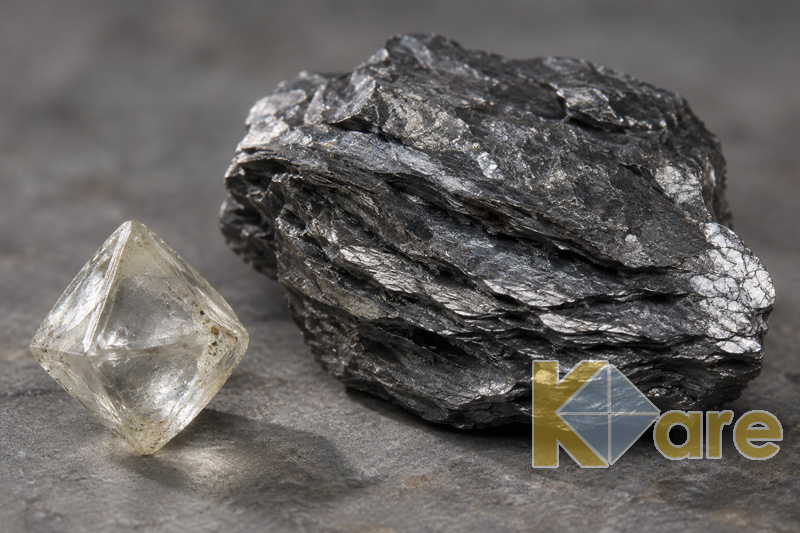
Diamond has a three-dimensional crystal structure, exceptionally high hardness and high thermal conductivity. Pure diamond is transparent and is usually an electrical insulator. Graphene is a sheet of carbon atoms one atom thick and is used in the development of new electronic and composite materials.
At atmospheric pressure, carbon has no conventional melting or boiling point: when heated sufficiently, it passes from the solid state into the gas phase. Carbon oxidises when heated in the presence of oxygen, so the surrounding atmosphere is an important factor.
Carbon in nature
Elemental carbon occurs naturally in forms including graphite and diamond. In compounds, it is present in carbon dioxide, carbonate minerals and organic substances. Limestone and marble contain carbon as part of calcium carbonate.
Coal, charcoal and coke are carbon-containing materials, but they are not necessarily chemically pure carbon. Their composition, structure and impurity content depend on their origin and method of production.
Where carbon is used
Metallurgy
Carbon is a constituent of steel and cast iron. Coke and other carbon-containing materials are used as fuels and reducing agents in metallurgical processes.
Electrical engineering and batteries
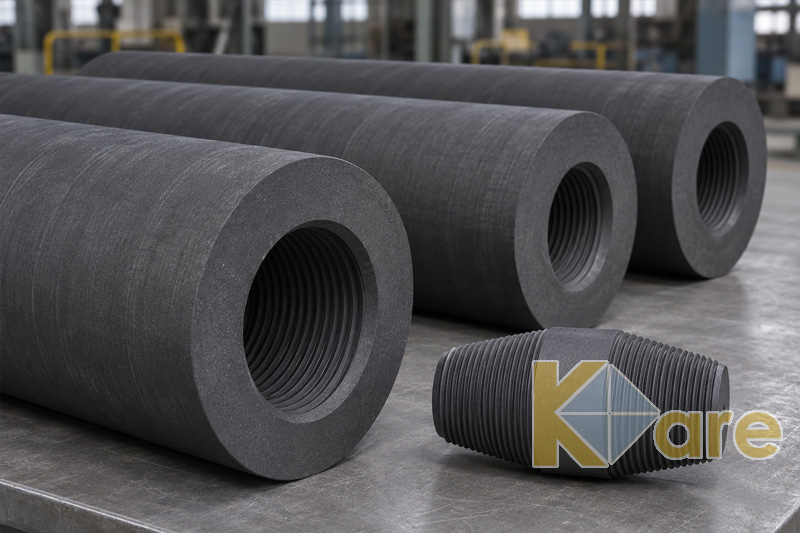
Graphite is used to manufacture electrodes and electrical brushes. It is also a widely used anode material in lithium-ion batteries.
Cutting and abrasive tools
Natural and synthetic diamonds are used in tools for cutting, drilling, grinding and machining hard materials.
Filtration and composite materials
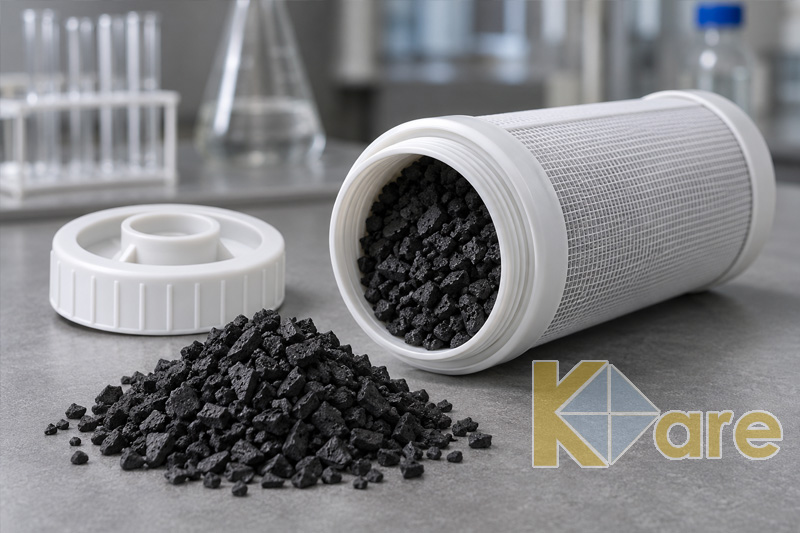
Activated carbon is used for the adsorptive purification of water and gases. Carbon fibres serve as reinforcement in lightweight, strong composites.
Carbon in steel and cast iron
Carbon is one of the principal constituents of iron–carbon alloys. Depending on composition and processing, it may be present in solid solution, form part of carbides such as cementite (Fe3C), or occur as graphite. Its content and distribution have a major influence on the structure and properties of the material.
Increasing the carbon content of plain carbon steels generally increases the attainable hardness while reducing ductility and weldability. Final properties also depend on heat treatment and other elements. In cast iron, the shape and distribution of graphite, or the presence of carbides, determine many service characteristics.
Carbon and its compounds
Carbon forms an enormous number of compounds. Carbon dioxide, carbonates and hydrocarbons differ from elemental carbon in composition and properties. Silicon carbide and tungsten carbide are used in wear-resistant materials, abrasives and cutting-tool materials.
Graphite and diamond are forms of the same chemical element, whereas steel and cast iron are iron-based alloys containing carbon. This distinction is important for understanding the composition and applications of industrial materials.