Antimony (Sb) — Properties and Uses
Antimony — an element for stronger alloys and specialised materials
Antimony (Sb) is a chemical element with atomic number 51, belonging to group 15 of the periodic table. It is generally classified as a metalloid. Under normal conditions, its stable form is a silvery-grey crystalline solid with a pronounced metallic lustre and high brittleness.
Antimony is used as an alloying element in lead and tin alloys. Its compounds are important in flame-retardant formulations, polymer production and specialised electronic materials. The properties of the element must be distinguished from those of its compounds.
Key characteristics of antimony
Physical properties
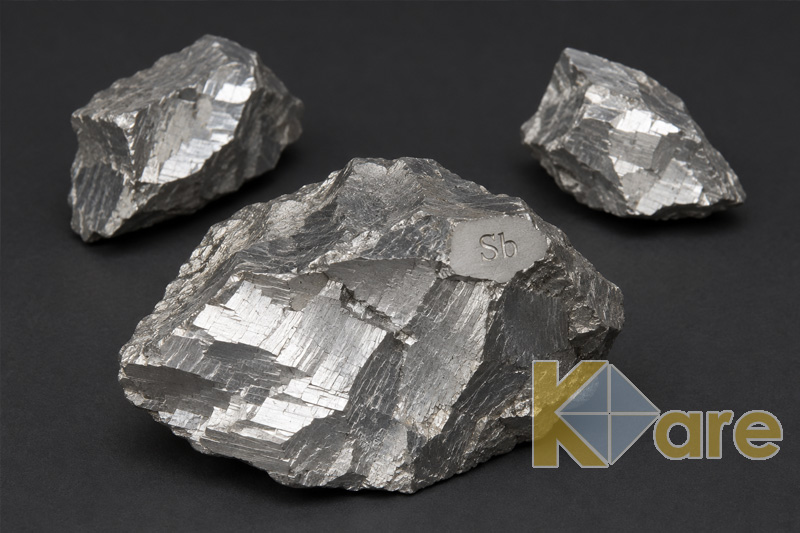
Despite its metallic appearance, antimony lacks the ductility associated with copper or aluminium. It fractures readily and is poorly suited to conventional forging, rolling or wire drawing. Fracture surfaces reveal shiny crystalline faces.
Ordinary grey antimony has a rhombohedral crystal structure and is a semimetal in terms of its electronic structure. Its electrical and thermal conductivity are substantially lower than those of copper. The classification “metalloid” describes its combination of metallic and non-metallic characteristics.
Chemical properties
Antimony commonly forms compounds in the +3 and +5 oxidation states; −3 also occurs in certain compounds. Bulk antimony is relatively stable in air at room temperature but oxidises when heated, forming oxides.
Important compounds include antimony trioxide, Sb₂O₃, and antimony trisulfide, Sb₂S₃. Their colours, reactivity and applications differ from those of elemental antimony. Many antimony compounds are toxic, so industrial processing requires dust and emission control.
Antimony in nature and its production
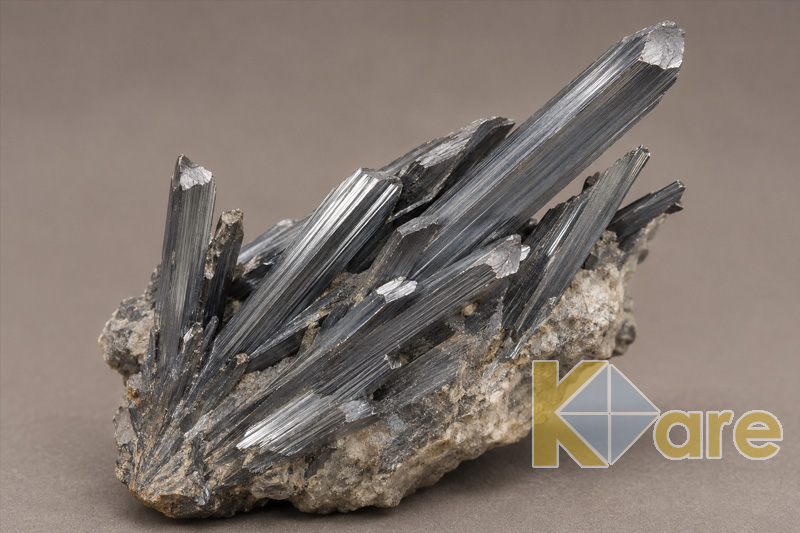
The main antimony ore mineral is stibnite, Sb₂S₃. It commonly forms lead-grey elongated prismatic and needle-like crystals with a metallic lustre. These crystals are antimony sulfide rather than the pure element.
The production route depends on the feedstock composition. Pyrometallurgical processes include producing an oxide followed by reduction, alongside other concentrate treatment routes. Antimony undergoes further purification for specialised applications.
Where antimony is used
Lead alloys
Antimony increases the hardness of lead and is used in certain alloys for lead-acid battery grids and technical castings.
Tin and bearing alloys
A constituent of various tin alloys, solders and babbitt bearing metals, whose properties depend on the combination of antimony with tin, copper and other elements.
Flame-retardant formulations
Antimony trioxide acts as a synergist in certain flame-retardant systems, particularly in combination with halogen-containing components.
Electronics and specialised materials
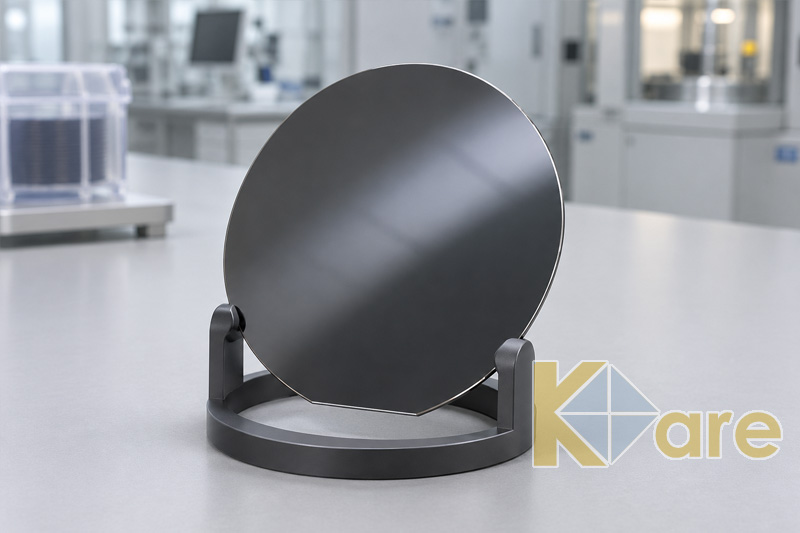
High-purity antimony is used for semiconductor doping, while compounds such as indium antimonide, InSb, are used in specialised electronic and infrared devices.
Antimony and its alloys
Adding antimony to lead increases hardness and changes mechanical and casting characteristics. Lead-antimony alloys differ from pure lead, but increasing antimony content does not improve every property: ductility and other characteristics also change.
In tin-based babbitt alloys, antimony contributes to hard microstructural constituents within a softer matrix. These materials are used in plain bearings. Antimony also occurs in certain decorative pewter alloys and specialised solders.
Antimony and its compounds
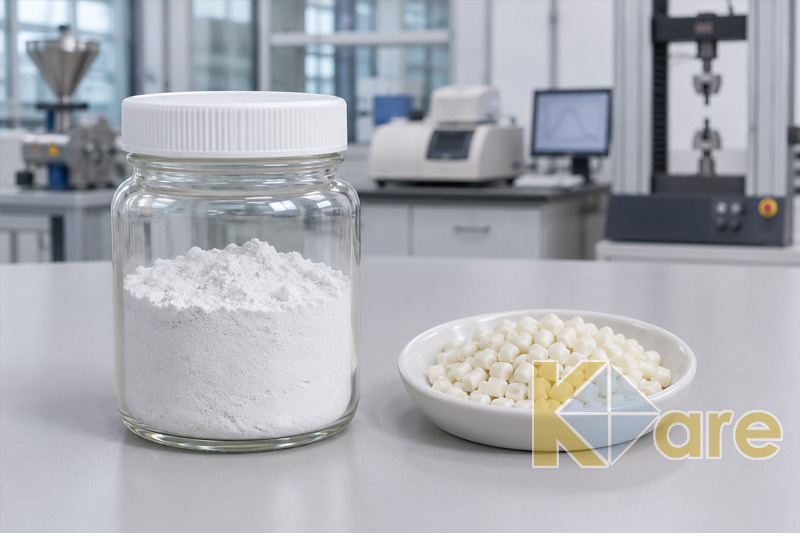
A substantial share of industrial use involves antimony compounds. The trioxide, Sb₂O₃, is a white substance used in certain polymer formulations, while antimony catalysts are used in the manufacture of polyethylene terephthalate, or PET.
Antimony trioxide, natural stibnite and elemental antimony are different materials. White oxide powder, needle-like sulfide crystals and the silvery fracture surface of pure antimony should not be presented as different external forms of the same substance.