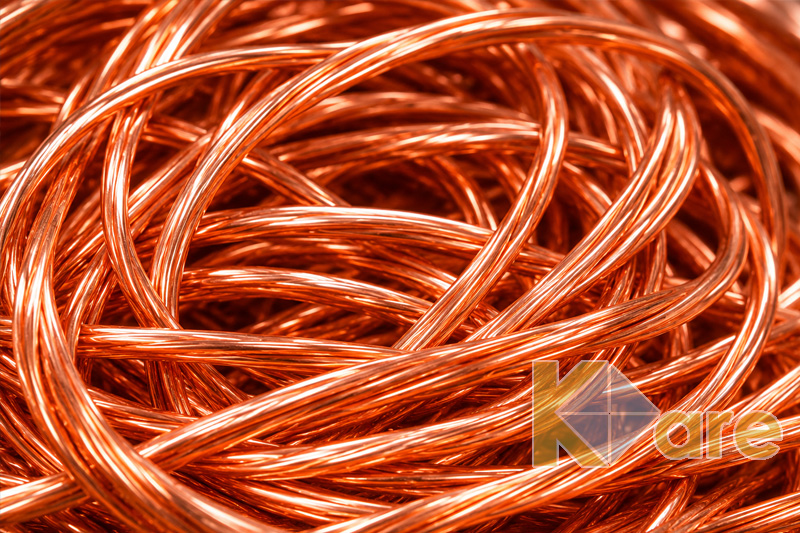
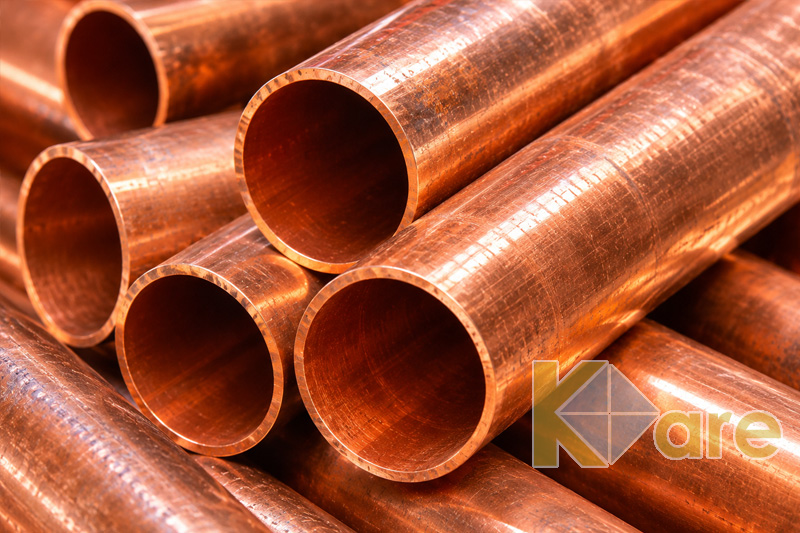
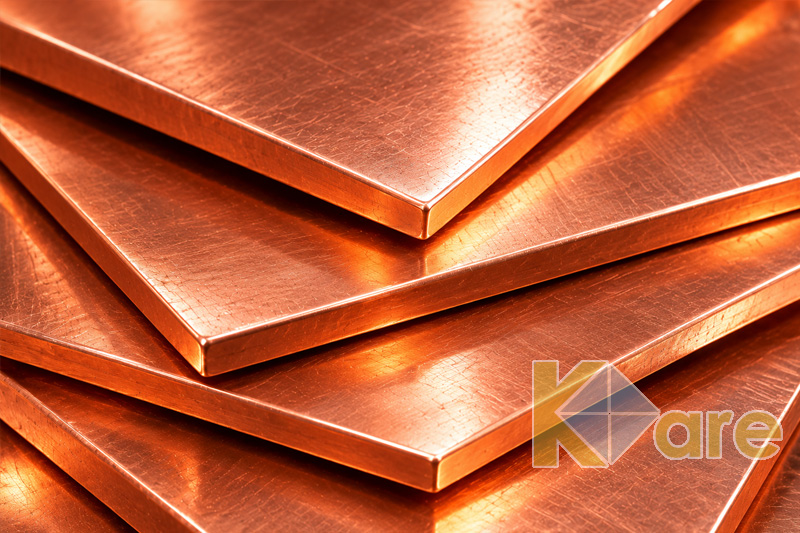
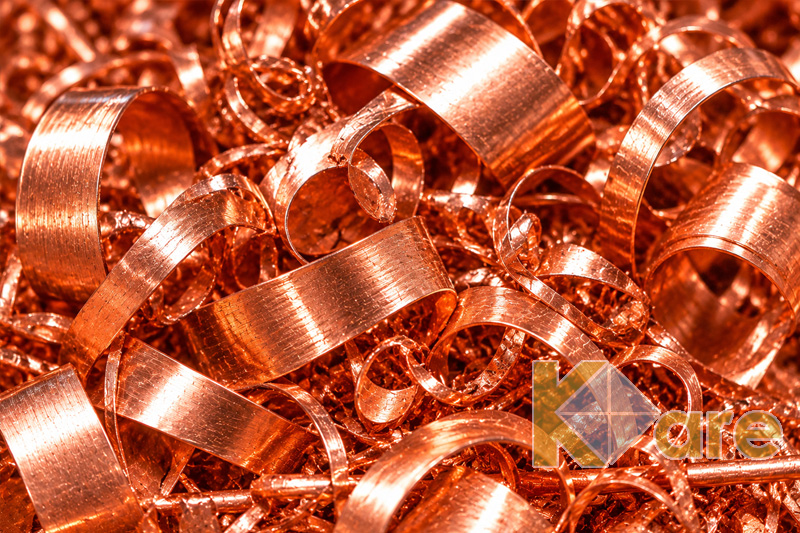
Copper scrap. Copper scrap is a secondary raw material generated during the manufacture, use and dismantling of copper products. Classification considers physical form, chemical composition, coatings and contamination.
Main types of copper scrap
- Wire
- Tubing
- Sheets and offcuts
- Heavy solids
- Turnings
- Granules
- Insulated cables
International ReMA (ISRI) classification
| Grade | Characteristics | Copper content |
|---|---|---|
| Barley | Bare Bright uninsulated copper wire | According to specification |
| Berry | Clean No. 1 copper wire | According to specification |
| Candy | Clean heavy copper solids and tubing | According to specification |
| Birch | No. 2 copper wire | ≥94% |
| Cliff | No. 2 copper solids | ≥94% |
| Clove | No. 1 copper wire granules | ≥99% |
| Cobra | No. 2 copper wire granules | ≥97% |
| Dream | Light copper scrap | ≥88% |
Millberry and Barley
Millberry is a commercial designation for clean uninsulated copper wire. It is closely associated with Barley but is not a separate ReMA code. A universal purity requirement of 99.9% does not apply to all Millberry material.
Berry and Candy
Berry covers clean copper wire, while Candy covers heavy unalloyed copper products, including tubing, busbars and manufacturing offcuts. Materials must meet the applicable coating and contamination requirements.
Birch and Cliff
Birch covers No. 2 copper wire, while Cliff covers copper solids. Nominal copper content is 96%, with a minimum of 94%. Restrictions on solder, oil, coatings and foreign materials also apply.
Copper granules
Granules are produced by mechanically shredding cables and separating insulation. Quality depends on copper content, residual plastics and metallic impurities.
European standards
EN 12861 concerns copper and copper alloy scrap intended for direct melting. EU Regulation No 715/2013 establishes criteria determining when copper scrap ceases to be waste. European standards and ReMA commercial grades serve different purposes.
Oxidation and contamination
Dark surfaces may indicate oxidation, green deposits may indicate corrosion, and silvery surfaces may indicate tinning. Solder may contain tin and lead. Surface colour alone cannot determine the scrap grade.
Composition analysis
Pure copper has a density of approximately 8.96 g/cm³. Accurate composition analysis uses X-ray fluorescence, optical emission spectrometry and laboratory methods. Surface coatings must be taken into account.
Calculating copper content
Copper mass fraction is the ratio of copper mass to total material mass. For example, 240 kg of copper in a 250 kg batch corresponds to 96%. This figure alone does not establish the scrap grade.
Sorting and recycling
- Separate copper from brass, bronze and aluminium
- Separate wire, tubing, heavy solids and granules
- Segregate soldered, enamelled and coated materials
- Remove insulation mechanically
- Check composition and contamination
Clean sorted scrap may be suitable for direct melting. More complex feedstocks require additional preparation and refining. Cable insulation must not be removed by open burning.
Technical references
- ReMA — ISRI Specifications: Red Metals.
- EN 12861.
- EU Regulation No 715/2013.