Tungsten (W) — Properties and Uses
Tungsten — a metal for high temperatures
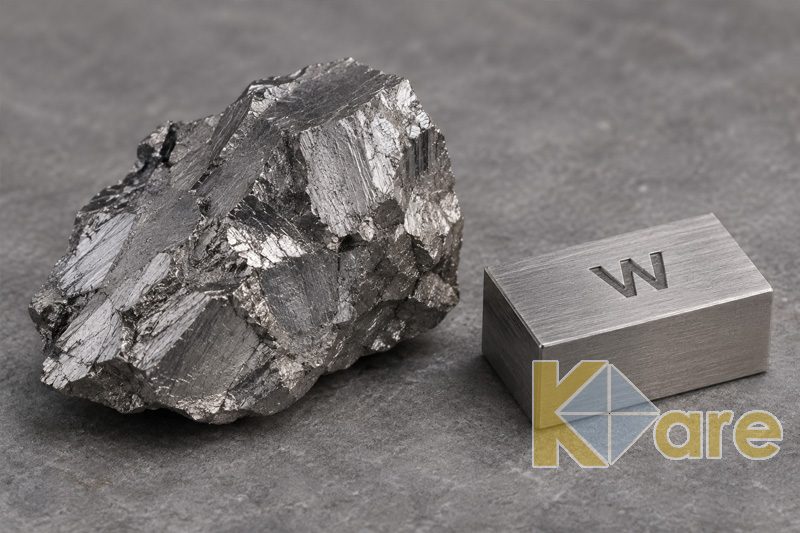
Tungsten (W) is a chemical element with atomic number 74, belonging to group 6 of the periodic table. It is a heavy, silvery-grey refractory metal with a high density and the highest melting point of any metal.
Tungsten is used in high-temperature equipment, electrical engineering, electronics and the production of tool materials. Its properties are valuable where heat resistance, high density and the wear resistance of tungsten-based materials are required.
Key characteristics of tungsten
Physical properties
Tungsten has a high density, conducts electricity and is a good conductor of heat. Low thermal expansion and a low evaporation rate at high temperatures make it useful for heating elements, incandescent filaments and vacuum equipment components.
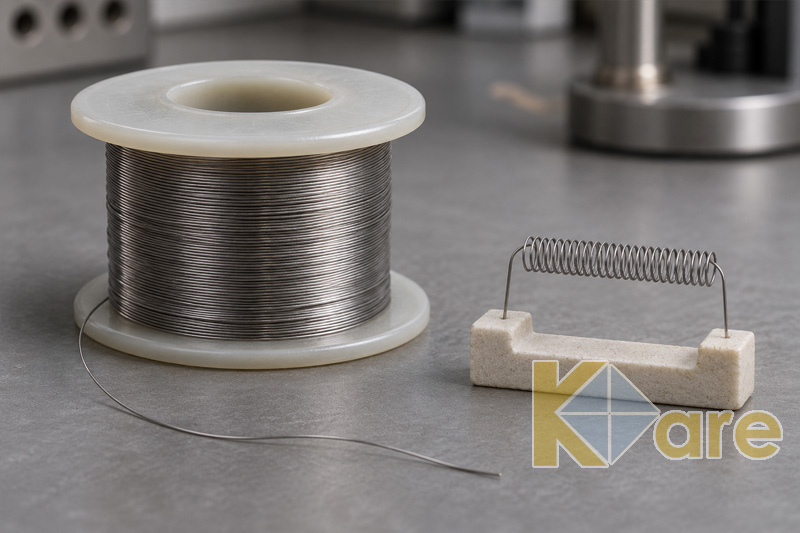
Its mechanical properties depend on purity, microstructure and processing. Tungsten can be brittle at room temperature, particularly in the recrystallised condition. With suitable processing conditions, it can be made into wire, rods, sheets and other products.
Chemical properties
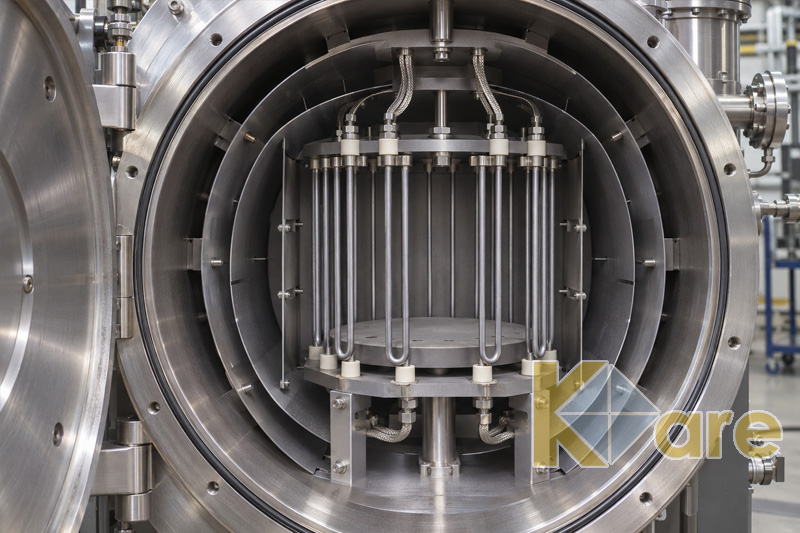
Tungsten is relatively stable in air at room temperature. When strongly heated in the presence of oxygen, it oxidises. A high melting point therefore does not mean that a tungsten component can operate continuously at that temperature in air: a vacuum or protective atmosphere is often necessary.
Tungsten forms oxides, tungstates and carbides. Its chemical resistance depends on the composition of the surrounding medium, temperature and surface condition.
Tungsten in nature and its production
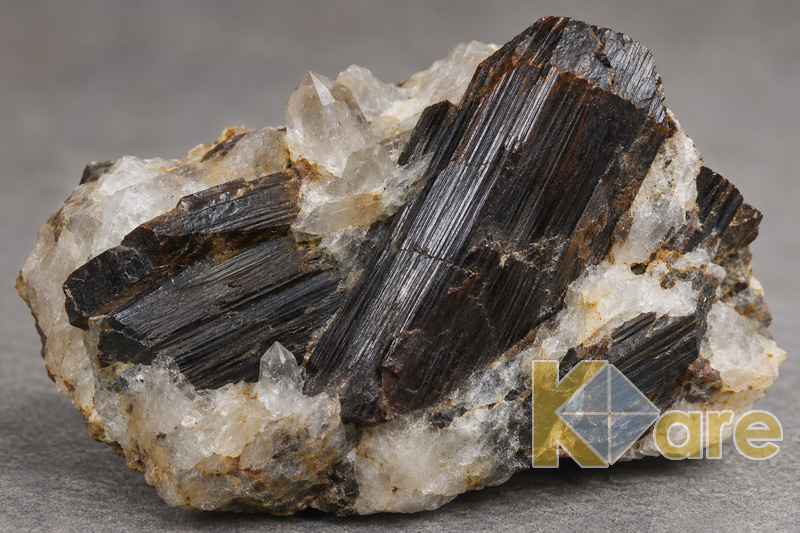
Tungsten occurs mainly in compounds. Its principal commercial minerals are scheelite (CaWO4) and wolframite ((Fe,Mn)WO4). These minerals differ from metallic tungsten in both composition and appearance.
Following ore beneficiation and chemical processing, tungsten compounds are obtained and converted into oxide and then metal powder, for example by hydrogen reduction. Products are often manufactured by powder metallurgy, using pressing and sintering followed by further processing.
Where tungsten is used
High-temperature equipment
Heating elements, thermal shields, evaporation boats and furnace components operating in a vacuum or a suitable protective atmosphere.
Electrical engineering and electronics
Incandescent filaments, electrodes and specialised electronic components. Depending on the application, pure tungsten or materials with small additions are used.
X-ray technology
Tungsten and tungsten-based materials are used in X-ray tube targets and radiation shielding components because of their high density and tungsten's high atomic number.
Tool materials
Tungsten is used to produce tungsten carbide and to alloy tool steels for tools that machine materials under substantial loads.
Tungsten and its alloys
In high-speed steels and some tool steels, tungsten contributes to carbide formation and helps retain hardness at elevated temperatures. The properties of these steels depend on carbon content, other alloying elements and heat treatment.
Tungsten heavy alloys, such as those containing nickel and iron or nickel and copper, are used for counterweights, balancing parts and shielding components. Tungsten–rhenium materials are used in certain high-temperature and measuring devices.
Tungsten and tungsten carbide: what is the difference?
Metallic tungsten is an elemental substance consisting of W atoms. Tungsten carbide (WC) is a chemical compound of tungsten and carbon with very high hardness and wear resistance. These materials are not interchangeable.
Many cemented carbide cutting inserts and drilling tools are made from a sintered material containing WC grains and a metallic binder, often cobalt. Such a tool is not made from pure tungsten.