Silver (Ag) — properties and uses
Silver — a noble metal with exceptional conductivity
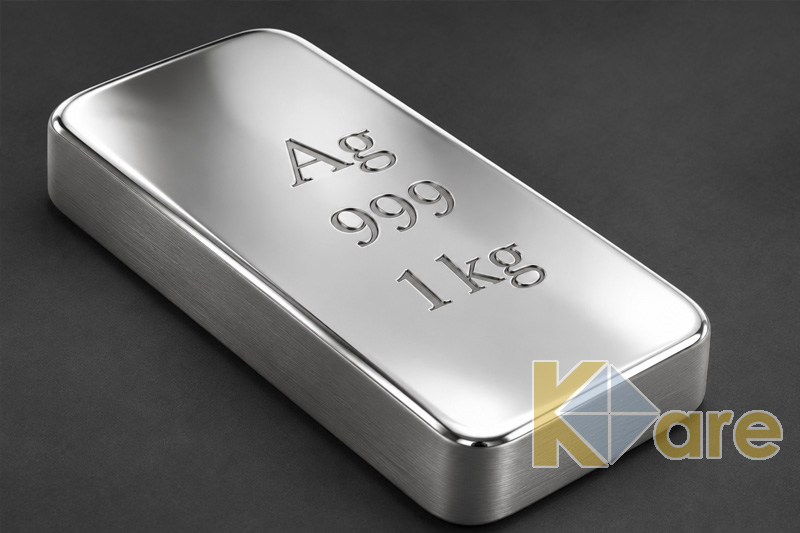
Silver (Ag) is a chemical element with atomic number 47. It is a lustrous white noble metal with high ductility, reflectivity and the highest electrical conductivity of any metal at room temperature.
Known since antiquity, silver is used in jewellery, electrical engineering, electronics and industry. Its compounds have distinct properties and serve different technological purposes.
Key characteristics of silver
Physical properties
Silver is solid at room temperature. The pure metal is soft, ductile and malleable. It can be rolled into thin sheets and drawn into wire. A polished surface has a characteristic white metallic lustre.
Silver has exceptionally high electrical and thermal conductivity. It also reflects visible light efficiently, making it useful in reflective coatings and optical products.
Chemical properties
Silver is a noble metal and is comparatively resistant under many ordinary conditions. However, its surface can tarnish through reactions with sulphur-containing substances in the environment. This darkening is primarily associated with the formation of silver sulphide.
Silver is not chemically inert: it reacts with certain substances, including nitric acid and halogens. Corrosion behaviour depends on the environment and surface condition.
Silver in nature
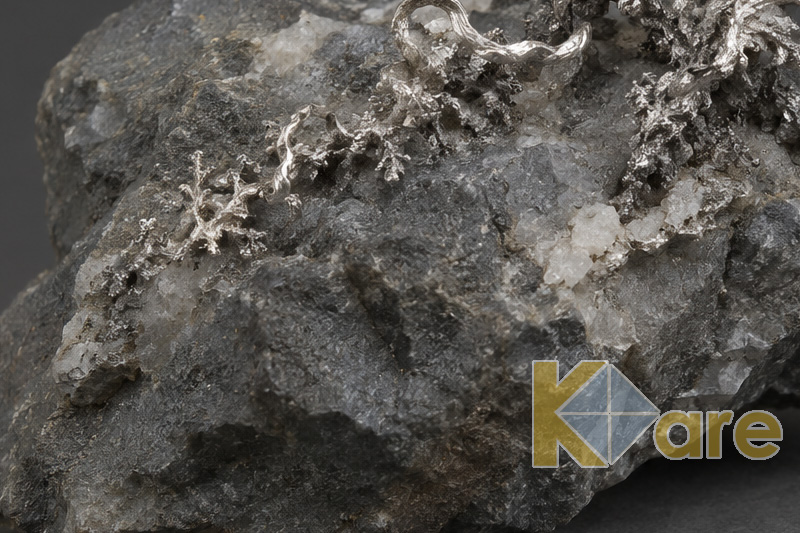
Silver occurs in its native metallic form and in minerals and complex ores. Silver-bearing minerals include acanthite (Ag₂S) and chlorargyrite (AgCl).
A substantial proportion of silver is obtained as a by-product of processing other metal ores, including lead, zinc, copper and gold ores. Subsequent refining produces metal of the required purity.
Where silver is used
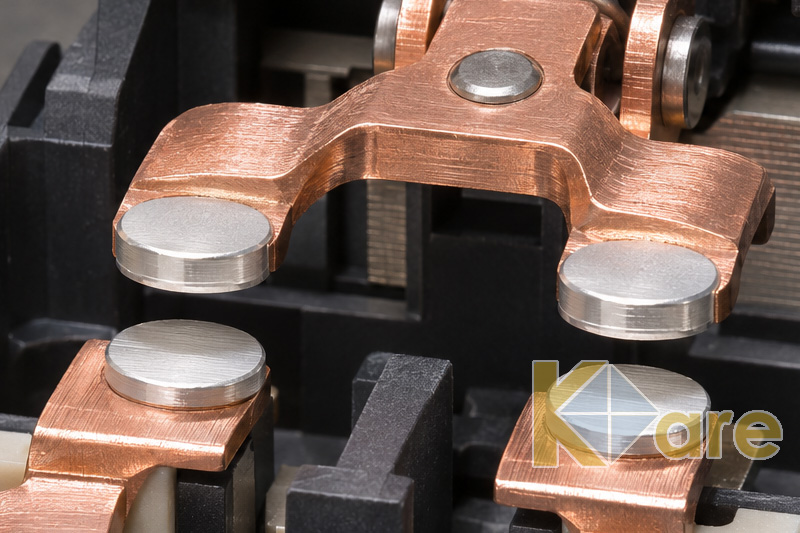
Electrical engineering and electronics
Contact materials, coatings, conductive pastes and other components that benefit from silver’s electrical properties.
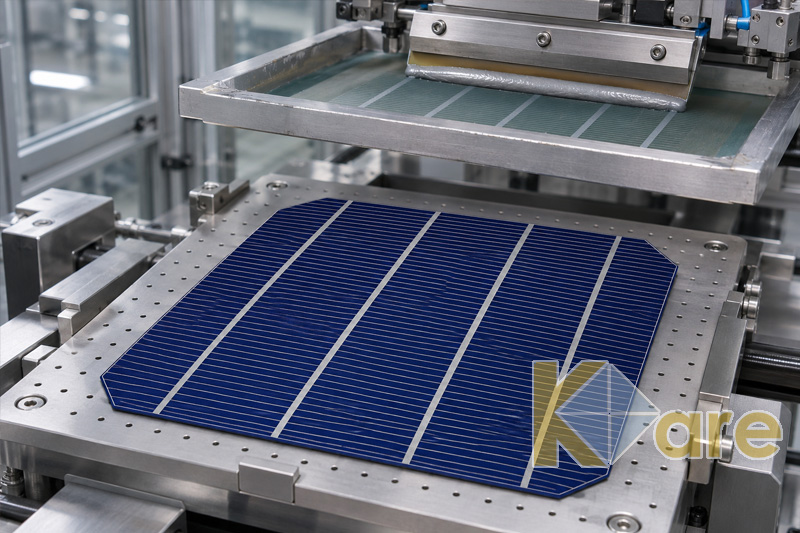
Solar energy
Silver-containing pastes are used to form current-collecting contacts in many types of silicon solar cells.
Jewellery and decorative products
Jewellery, tableware, artistic objects and commemorative coins made from silver and specially selected silver alloys.
Industrial technologies
Reflective coatings, silver-containing brazing alloys and solders, and catalysts for selected chemical processes.
Silver and its compounds
Metallic silver, silver nitrate, silver chloride and other compounds are different substances with different properties. The applications of these compounds should not automatically be attributed to the pure metal.
Light-sensitive silver halides, including silver bromide and silver chloride, are used in traditional photographic materials. Their response to light forms the basis of image production.
Pure silver and fineness
Fineness expresses the mass fraction of silver in an alloy in parts per thousand. A fineness of 925, for example, corresponds to 92.5% silver by mass.
Fineness does not fully describe the composition of the remainder of the alloy and does not replace its technical specification. A silver-plating mark also does not mean that the entire product is made from a silver alloy.
Silver and its alloys
Pure silver is used where conductivity, reflectivity or chemical properties are important. Alloys, often containing copper, are used to increase hardness and wear resistance.
Sterling silver normally contains 92.5% silver; copper is a common constituent of the remainder. Composition is selected to suit the product’s purpose. Despite its silvery appearance and name, nickel silver does not inherently contain silver.