Molybdenum (Mo) — Properties and Uses
Molybdenum — a metal for high temperatures and strong alloys
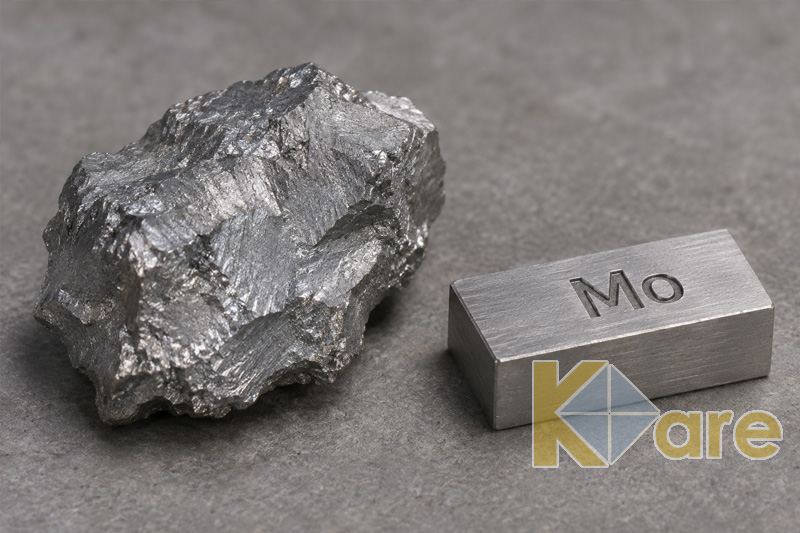
Molybdenum (Mo) is a chemical element with atomic number 42, belonging to group 6 of the periodic table. It is a silvery-grey refractory metal that combines a high melting point, good thermal conductivity and relatively low thermal expansion.
Molybdenum is used in metallurgy, high-temperature equipment, electronics and the chemical industry. It is employed as a metallic material in its own right, as an alloying element and as a constituent of industrial compounds.
Key characteristics of molybdenum
Physical properties
Molybdenum conducts electricity and transfers heat effectively. Its combination of a high melting point, low thermal expansion and the ability to retain useful mechanical properties at elevated temperatures makes it valuable for furnace components and specialised processing equipment.
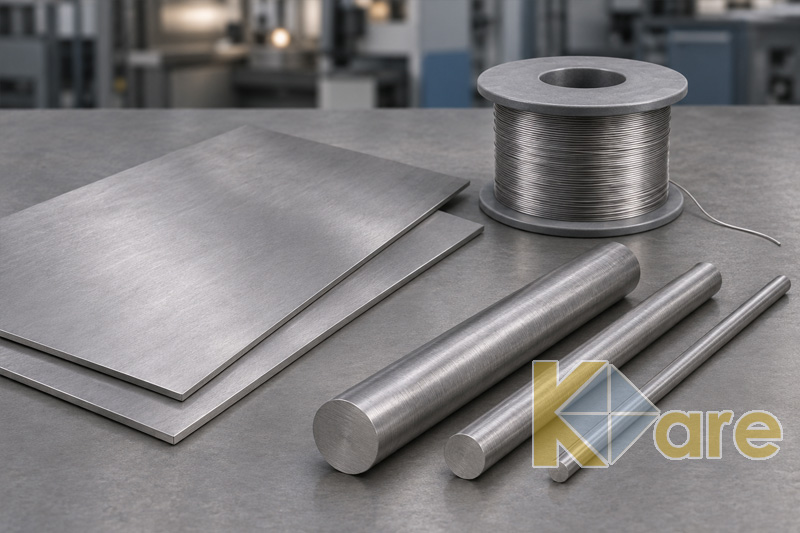
Ductility and strength depend on purity, microstructure, temperature and processing. Recrystallisation and certain impurities can increase brittleness. Under suitable conditions, molybdenum can be made into sheets, foil, rods, wire and complex components.
Chemical properties
Molybdenum is relatively stable in air at room temperature. When heated in the presence of oxygen, it oxidises, and the resulting oxides do not provide reliable protection at high temperatures. Hot molybdenum components therefore often require a vacuum or a suitable protective atmosphere.
Molybdenum forms oxides, molybdates, sulfides and carbides. Its chemical resistance depends on the environment and temperature. The resistance of a molybdenum-containing alloy cannot automatically be attributed to the pure metal.
Molybdenum in nature and its production
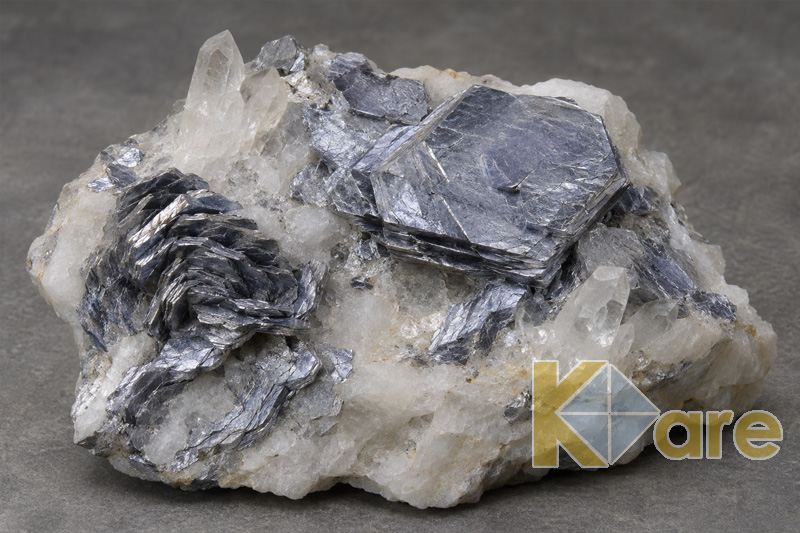
The principal commercial molybdenum mineral is molybdenite, or molybdenum disulfide (MoS2). This mineral differs from metallic molybdenum in composition and properties. Molybdenum is obtained from molybdenum ores and as a by-product of processing certain copper ores.
Following beneficiation, molybdenite concentrate is usually roasted to produce an oxide product. To manufacture molybdenum metal, purified compounds are converted into oxide, which is reduced with hydrogen. The resulting powder is used, for example, for pressing and sintering followed by further processing.
Where molybdenum is used
High-temperature equipment
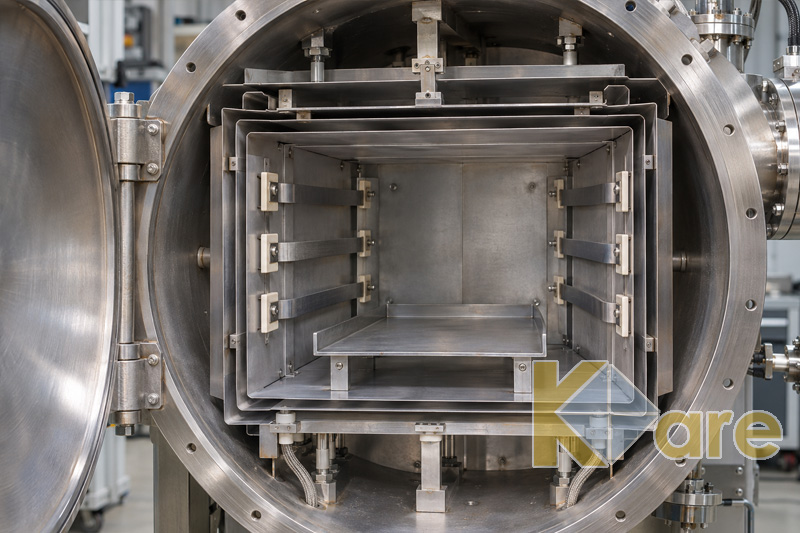
Heating elements, thermal shields, supports and processing fixtures for furnaces operating in a vacuum or protective atmosphere.
Electronics and coatings
Electrodes, specialised electronic components and sputtering targets for thin-film deposition. Molybdenum layers are used, for example, in certain thin-film solar cells.
Glass industry
Electrodes for the electrical heating of molten glass and selected glassmaking components, chosen according to glass composition and operating conditions.
Chemical industry
Molybdenum compounds are constituents of industrial catalysts. Molybdenum disulfide is used as a solid lubricant and as an additive in some lubricants.
Molybdenum in steels and other alloys
In engineering and tool steels, molybdenum improves hardenability and helps retain strength and hardness at elevated temperatures. Depending on composition and processing, it contributes to carbide formation and improves resistance to softening during tempering.
In suitable stainless steels, molybdenum improves resistance to pitting and crevice corrosion, particularly in chloride-containing environments. However, corrosion resistance depends on the overall alloy composition and service conditions, rather than the presence of a single element.
A well-known molybdenum-based material is TZM, an alloy with small additions of titanium, zirconium and carbon. It is used for demanding components requiring greater high-temperature strength and microstructural stability than unalloyed molybdenum.
Molybdenum and its compounds: what is the difference?
Metallic molybdenum is an elemental substance consisting of Mo atoms. Molybdenum disulfide (MoS2) is a compound of molybdenum and sulfur with a layered structure and lubricating properties. A lubricant containing MoS2 is not liquid or powdered pure metal.
Molybdenum(VI) oxide (MoO3), molybdates and carbides are also distinct compounds. Their properties and applications differ from those of metallic molybdenum and molybdenum-containing alloys.