Zinc (Zn) — Chemical Element
Zinc — the metal that protects steel from corrosion
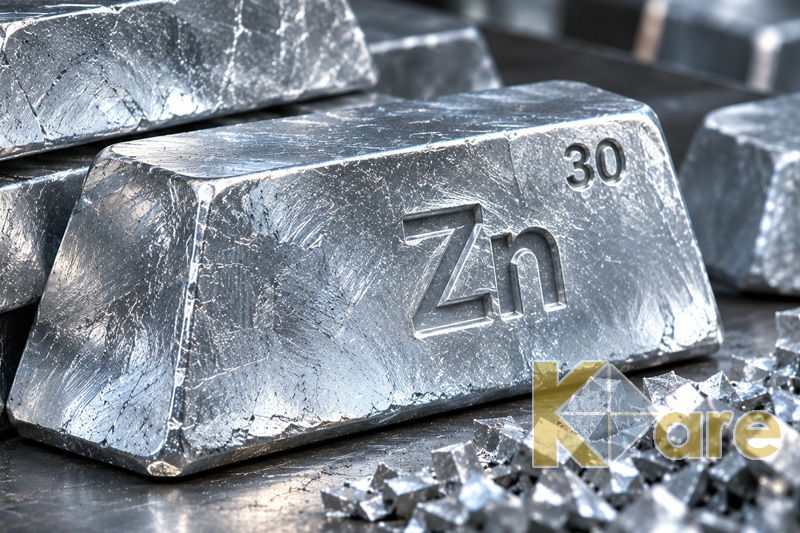
Zinc (Zn) is a chemical element with atomic number 30, belonging to group 12 of the periodic table. It is a silvery-white metal with a characteristic bluish tint, a relatively low melting point and the ability to protect iron and steel against corrosion.
Zinc is widely used in metallurgy, construction, mechanical engineering and the chemical industry. One of its most important applications is the production of protective coatings for steel products. Zinc is also a component of brass and other engineering alloys and is used in casting and the manufacture of various chemical compounds.
Main characteristics of zinc
Physical properties
Zinc has a metallic lustre, a density of approximately 7.14 g/cm³ and a relatively low melting point. At room temperature, the metal is comparatively brittle, but when heated to around 100–150 °C, it becomes more ductile and easier to roll and form. Zinc conducts heat and electricity, although its electrical conductivity is considerably lower than that of copper.
When exposed to air, zinc gradually develops a protective surface layer of corrosion products that slows further deterioration. Particularly important is zinc's ability to provide electrochemical protection to steel: even if the zinc coating is slightly damaged, the metal continues to protect the underlying iron against corrosion by acting as a sacrificial anode.
Applications of zinc
Steel corrosion protection
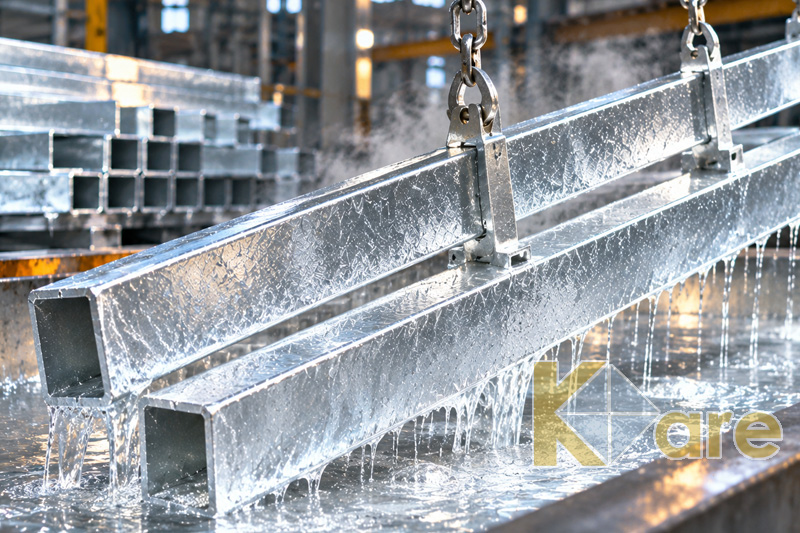
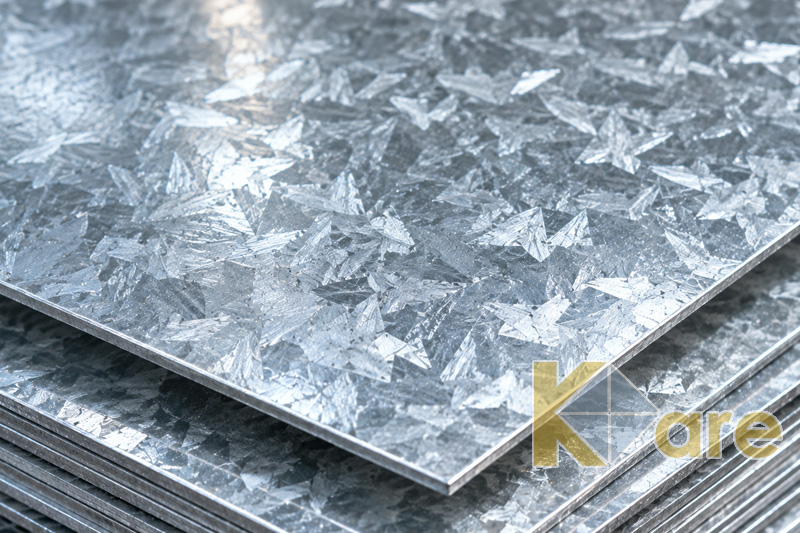
Zinc is widely used in hot-dip galvanizing, electroplating and other methods of protecting steel structures, pipes, fasteners, sheet metal and industrial equipment against corrosion.
Alloy production
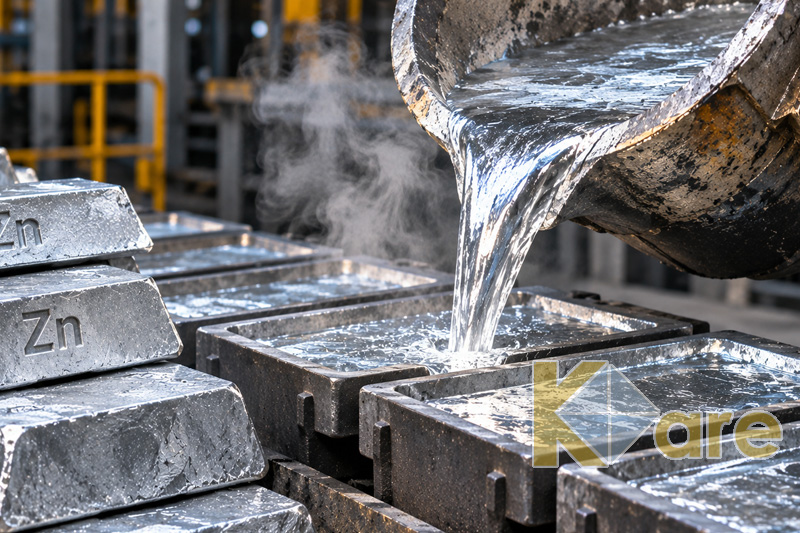
Zinc is an important component of brass, an alloy of copper and zinc. It is also used in zinc casting alloys for manufacturing housings, fasteners, fittings and precision engineering components.
Mechanical engineering and construction
Zinc and zinc coatings are used in the automotive industry and in the manufacture of roofing materials, rainwater drainage systems, building components and various metal products.
Chemical industry and batteries
Zinc compounds are used in the production of rubber, paints, ceramics and other materials. Metallic zinc is also an active component in many primary batteries, including zinc-carbon and alkaline batteries.
Zinc and its alloys
One of the best-known zinc-containing alloys is brass, which combines zinc with copper. By varying the proportions of these metals, manufacturers can obtain materials with different strengths, ductility, corrosion resistance and processing characteristics. Zinc alloys containing aluminium, magnesium and copper are widely used in die casting.
Zinc is suitable for recycling. The metal can be recovered from industrial production waste, discarded products and certain zinc-containing materials. Recycling helps conserve natural resources and reduces the need for primary metal production.