Copper (Cu) — Chemical Element
Copper — the metal that connects the world
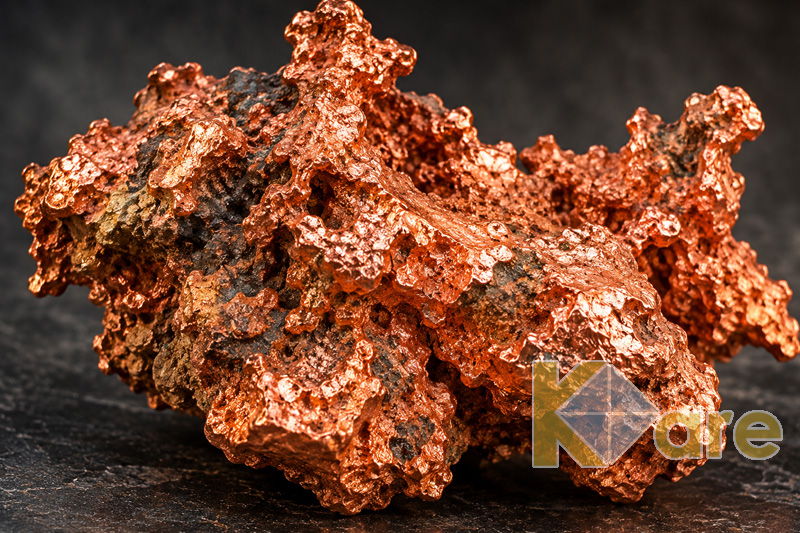
Copper (Cu) is a chemical element with atomic number 29. It is a ductile metal with a distinctive reddish-orange colour. Thanks to its high electrical and thermal conductivity, copper is widely used in power engineering, electronics, mechanical engineering and construction.
Copper has been known to humanity since ancient times. Today, it remains one of the most important industrial metals, particularly in electrical engineering.
Key properties of copper
Physical properties
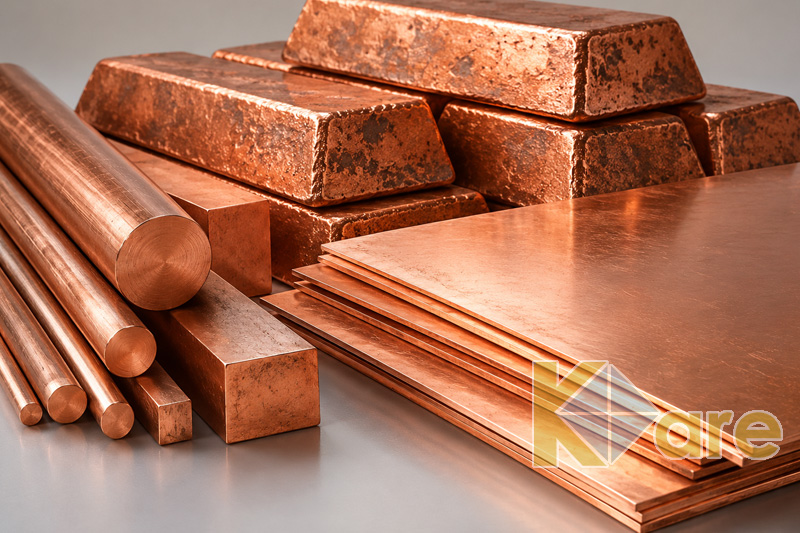
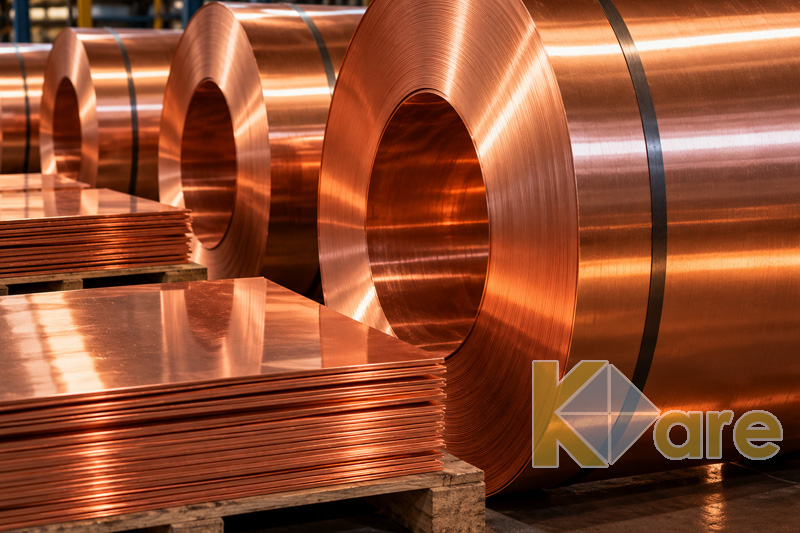
Copper is highly ductile and malleable. It can be readily formed, rolled and drawn, making it suitable for manufacturing wires, sheets, strips, tubes and other products.
Among pure metals, only silver has a higher electrical conductivity than copper. Its excellent thermal conductivity also makes it suitable for heat exchangers, radiators and cooling systems.
Applications of copper
Electrical engineering
Cables, wires, electric motor windings, transformers and electrical contacts.
Construction
Pipelines, roofing, facade elements and building services.
Mechanical engineering
Heat exchangers, radiators, equipment parts and industrial components.
Alloys
Brass based on copper and zinc, bronze alloys and other copper-based materials.
Copper and its alloys
Pure copper is primarily used where high electrical or thermal conductivity is essential. Copper alloys are used when additional mechanical and performance characteristics are required.
The best-known examples are brass (an alloy of copper and zinc) and bronze (a family of copper-based alloys). They are used in fittings, bearings, machine components, decorative products and industrial equipment.