Chromium (Cr) — Properties and Uses
Chromium — a metal that protects surfaces
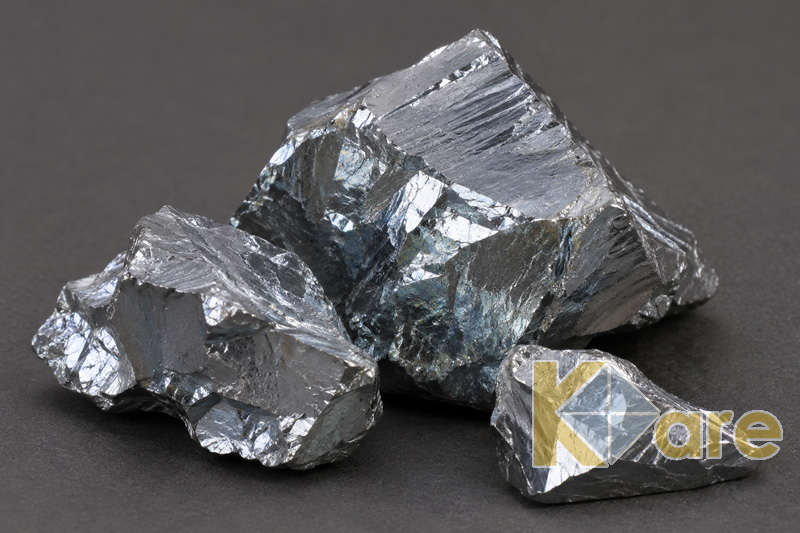
Chromium (Cr) is a chemical element with atomic number 24, a hard, silvery metal with a bluish tinge. It is valued for its wear resistance and ability to form a protective oxide film.
Chromium is widely used in metallurgy and surface coatings. It helps produce corrosion-resistant steels and gives chromium-plated products their characteristic shine.
Key properties of chromium
Physical properties
Chromium has high hardness and a high melting point. Under normal conditions, it is relatively brittle and develops a mirror-like shine when polished.
In air, a thin oxide film forms on the surface of chromium, slowing further oxidation. This phenomenon is known as passivation.
Where chromium is used
Metallurgy
Production of stainless steels, tool steels and other alloy steels.
Decorative coatings
Chromium plating of plumbing fittings, automotive parts and interior fittings.
Mechanical engineering
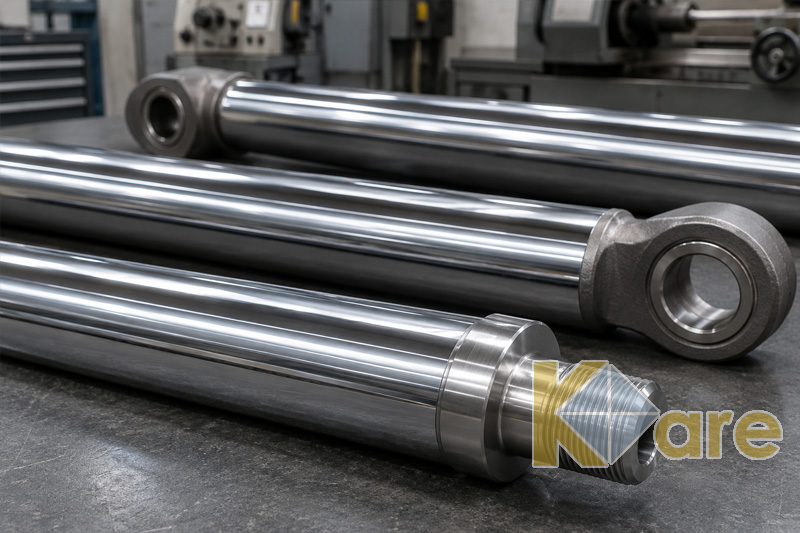
Hard chromium coatings to improve the wear resistance of working surfaces on components.
Alloys
Production of alloys with nickel, iron and other metals.
Chromium and its alloys
Chromium plating and alloying are different ways of using chromium. In plating, chromium is applied to the surface of a product, while in alloying, it is added to the composition of the metal.
In stainless steels, chromium enables a protective film to form. The corrosion resistance of the steel also depends on its composition and service conditions.