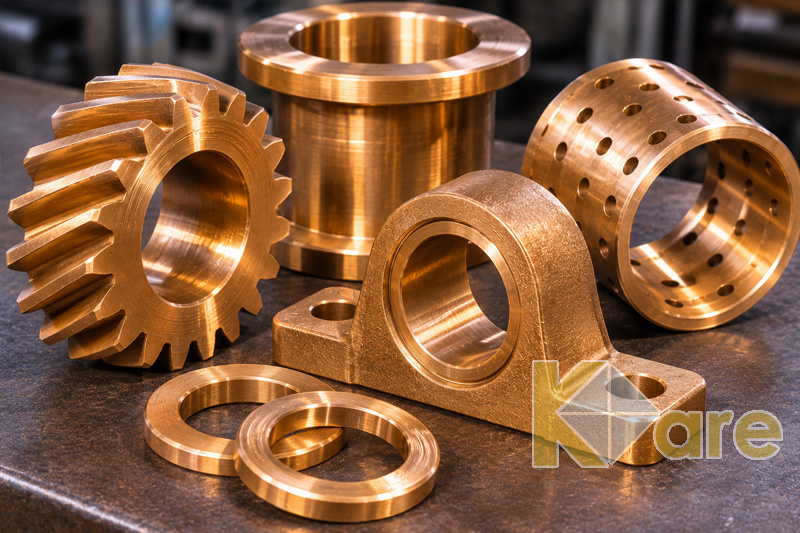
Silicon bronze is a copper-based alloy in which silicon (Si) is the principal alloying element. It combines strength, ductility, corrosion resistance and useful processing characteristics. The material is used in mechanical engineering, shipbuilding, electrical equipment and the production of welding consumables.
What is silicon bronze?
Silicon bronze belongs to the family of tin-free copper alloys. Adding silicon increases the strength of the copper matrix and affects its mechanical and processing properties. Depending on the grade, the alloy may contain manganese, zinc, iron and other elements.
Unlike tin bronze, silicon bronze does not require tin as an essential constituent. It is used where corrosion resistance, mechanical strength and the ability to manufacture complex components are important.
Chemical composition
Copper forms the base of silicon bronze. Silicon content varies by grade and is often approximately 1–4%. Additional constituents modify the strength, ductility and processing characteristics of the material.
| Element | Symbol | Function |
|---|---|---|
| Copper | Cu | Base metal providing thermal conductivity and corrosion resistance |
| Silicon | Si | Increases strength and influences processing characteristics |
| Manganese | Mn | Improves mechanical strength in certain grades |
| Zinc | Zn | Influences properties and workability in selected grades |
Physical and mechanical properties
- Density: approximately 8.3–8.8 g/cm³, depending on composition.
- Strength: higher than commercially pure copper; depends on grade and material condition.
- Ductility: many wrought grades are suitable for cold and hot working.
- Corrosion resistance: good under atmospheric conditions and in a range of aqueous environments.
- Electrical conductivity: lower than that of pure copper.
- Weldability: copper-silicon compositions are used in welding filler materials.
Silicon bronze grades
Silicon bronze designations vary between national and international standardisation systems. Composition and properties must be checked against the particular grade and applicable standard.
| Grade | System | Characteristics | Applications |
|---|---|---|---|
| CuSi3Mn1 | EN | Copper-silicon composition containing manganese | Welding wire and filler materials |
| CuSi3 | EN, filler composition designation | Approximately 3% silicon | Welding and filler materials |
| C65500 | UNS | High-silicon bronze | Fasteners, sheet, rods and industrial components |
Corrosion resistance
Silicon bronze offers good resistance to atmospheric corrosion and is used in certain marine environments. However, performance depends on alloy composition, temperature, environmental conditions and service requirements. Critical applications require verification of the selected grade.
Processing and manufacturing
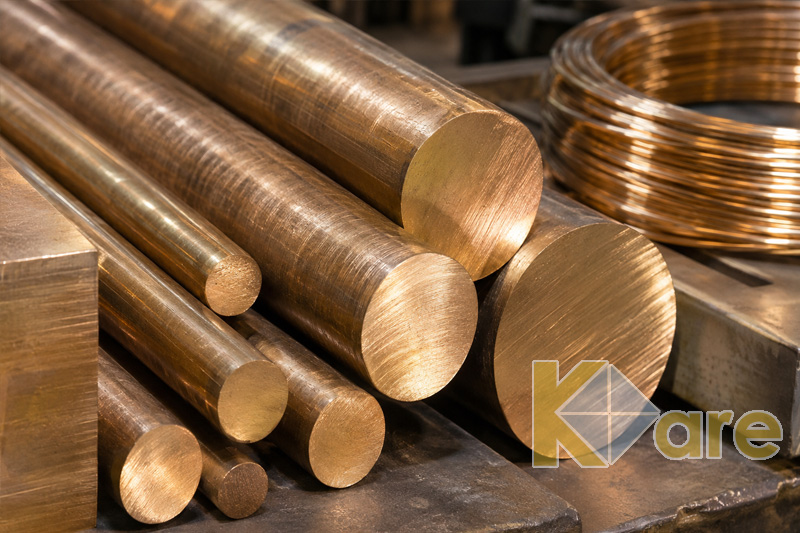
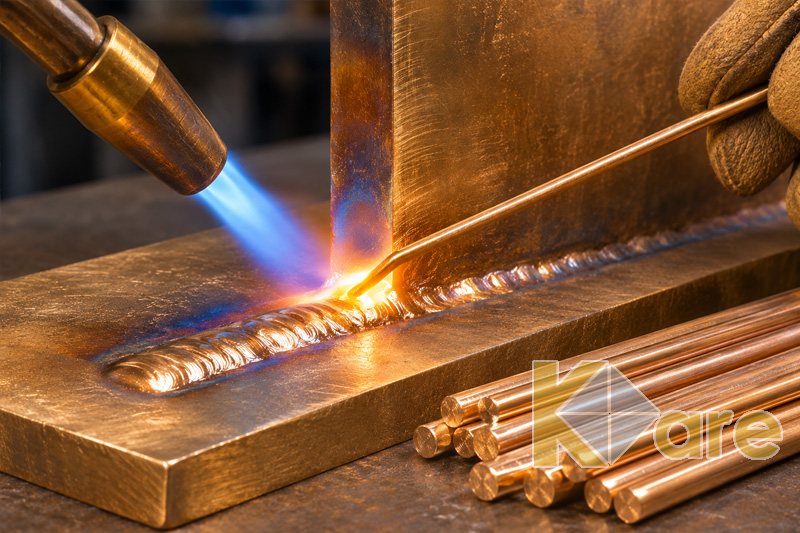
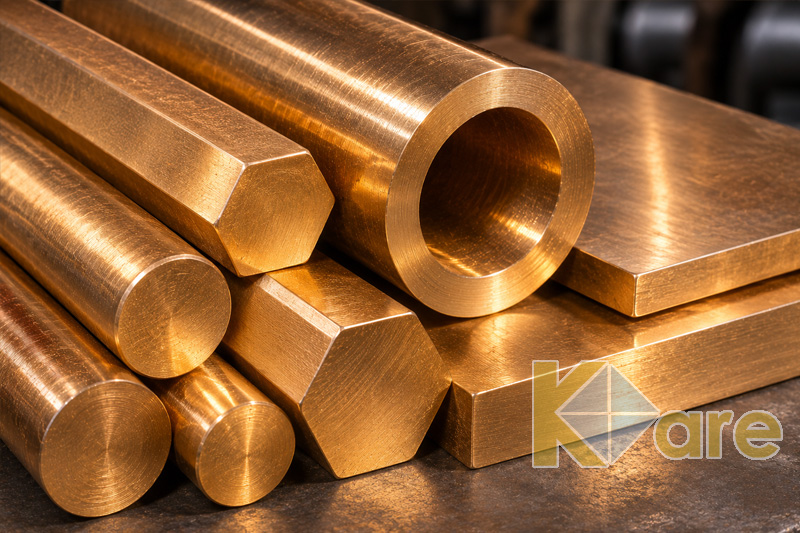
Silicon bronze is manufactured as rods, wire, sheet and finished components. Many grades can be formed and machined. Copper-silicon wire is also used as a filler material in welding and MIG brazing applications.
Applications
- Mechanical engineering: bushings, spring-like elements and specialised parts.
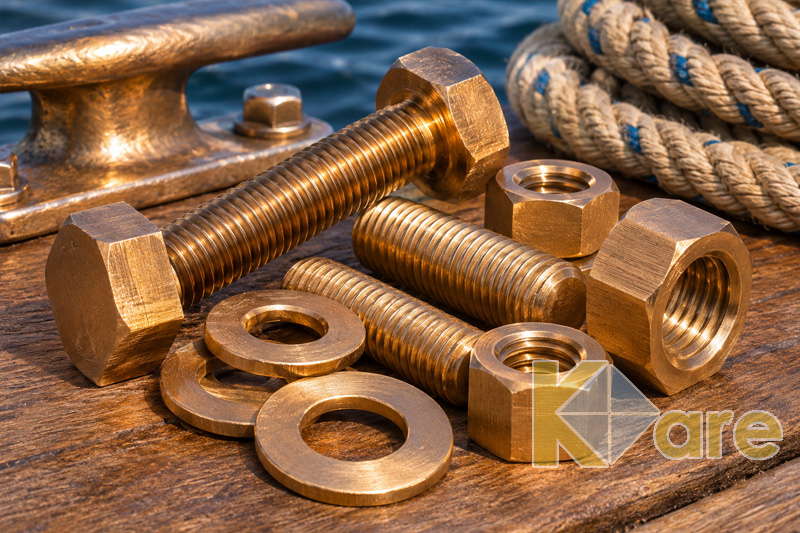
- Shipbuilding: fasteners and corrosion-resistant components.
- Electrical engineering: selected contact and structural components.
- Welding: Cu–Si filler wire and rods.
- Architecture: decorative and structural products.
Advantages and limitations
Advantages include good corrosion resistance, a useful combination of strength and ductility, and multiple manufacturing options. Limitations include lower electrical conductivity than pure copper and properties that vary with alloy composition and supplied condition.
Silicon bronze in scrap metal
Silicon bronze scrap is a valuable copper-containing secondary raw material. It may include rod offcuts, wire, fasteners, manufacturing waste and dismantled components.
During sorting, silicon bronze should be distinguished from brass, aluminium bronze and tin bronze. Visual inspection alone is not reliable. Accurate identification requires documentation, markings or chemical analysis methods capable of determining silicon content.
Recycling silicon bronze
After sorting and preparation, silicon bronze scrap can be remelted. Silicon and other alloying elements must be controlled during recycling because deviations in composition may affect the properties of the resulting material.
Separate collection of silicon bronze helps improve the use of secondary copper resources and reduces losses of valuable non-ferrous metal.