Cupronickel is a copper-based alloy (Cu) whose principal alloying element is nickel (Ni). Copper-nickel alloys have a silvery appearance, good ductility and excellent corrosion resistance. They are used in marine equipment, heat exchangers, coins and technical components.
What is cupronickel?
Cupronickel belongs to the copper-based alloy family: copper makes up most of the material, while nickel influences colour, strength and corrosion resistance. The terms copper-nickel and cupronickel are used in European technical documentation.
Cupronickel should not be confused with nickel silver (Cu + Ni + Zn), another copper-based alloy that contains a significant amount of zinc.
Chemical composition
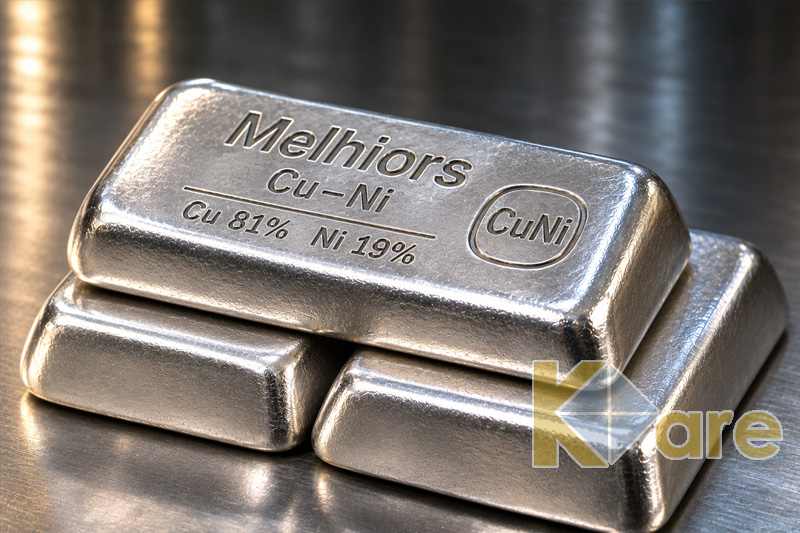
Common industrial grades contain approximately 10% or 30% nickel, with copper forming most of the balance. Some grades also contain small amounts of iron and manganese. Exact limits depend on the alloy grade and applicable product specifications.
| Element | Symbol | Role in alloy |
|---|---|---|
| Copper | Cu | Base metal providing ductility and workability |
| Nickel | Ni | Improves strength and corrosion resistance |
| Iron | Fe | Improves resistance to flowing seawater in selected marine grades |
| Manganese | Mn | Used in selected grades to adjust properties |
Physical and mechanical properties
- Density: typically around 8.9 g/cm³, depending on grade.
- Colour: silvery metallic.
- Corrosion resistance: high in suitable marine grades.
- Ductility: good for rolling and forming.
- Thermal and electrical conductivity: lower than pure copper.
- Magnetic properties: composition-dependent; many grades are essentially non-magnetic.
European copper-nickel alloy grades
CuNi10Fe1Mn and CuNi30Mn1Fe are widely used European designations for marine copper-nickel materials. The CuNi25 composition is also associated with coinage. Specific deliveries should be checked against manufacturer documentation and the relevant product standard.
| Grade | System | Characteristics | Applications |
|---|---|---|---|
| CuNi10Fe1Mn | EN | Approximately 10% Ni, with Fe and Mn additions | Marine piping and heat exchangers |
| CuNi30Mn1Fe | EN | Approximately 30% Ni, with Mn and Fe additions | Condensers and marine equipment |
| CuNi25 | Composition designation | Approximately 25% Ni | Coinage alloys |
Corrosion resistance
Copper-nickel alloys are known for resistance to seawater corrosion. A protective surface film develops during service, but performance depends on water velocity, contamination, temperature and sound equipment design.
Manufacturing and processing
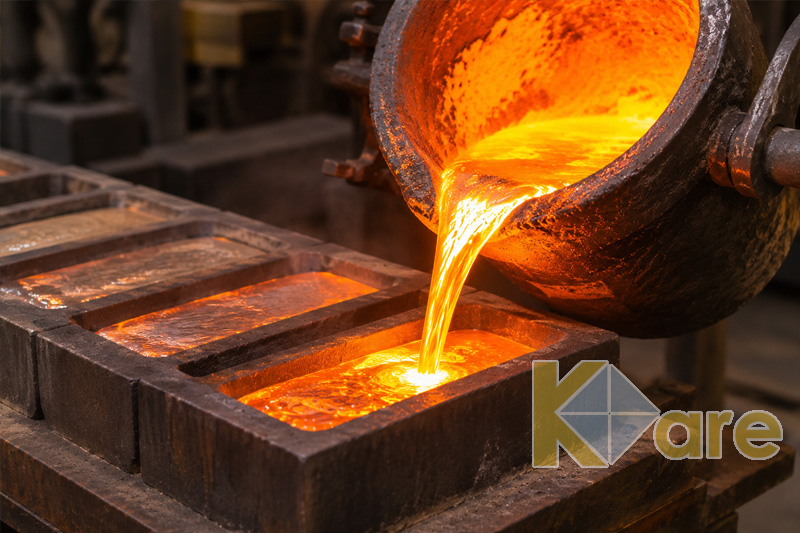
Copper-nickel alloys are supplied as tubes, sheet, strip, rods, wire and stamped parts. Rolling, drawing, forming and machining are common manufacturing processes. Welding procedures and processing conditions must be selected for the specific grade.
Applications
- Shipbuilding: seawater pipelines and fittings.
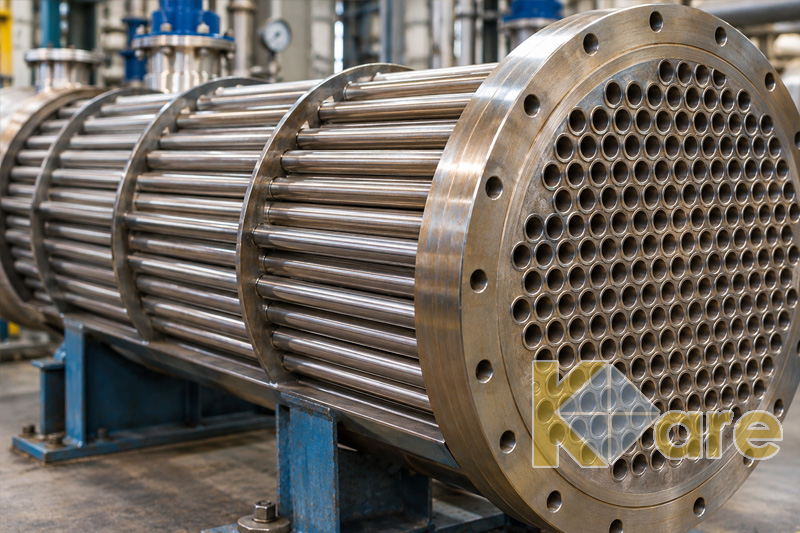
- Heat exchangers: condenser and cooler tubes.
- Coinage: copper-nickel coin alloys.
- Instrumentation: housings and precision components.
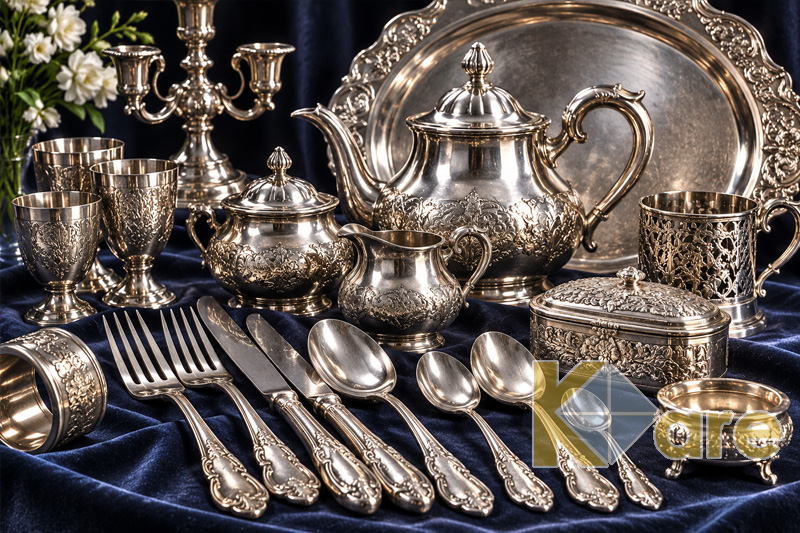
- Decorative products: selected tableware and fittings.
Cupronickel versus nickel silver
Both alloys can have a silvery appearance and both are copper-based. Nickel is the main alloying element in cupronickel; nickel silver additionally contains a substantial amount of zinc. Visual appearance alone is not a reliable way to distinguish them.
| Characteristic | Cupronickel | Nickel silver |
|---|---|---|
| Main composition | Cu + Ni | Cu + Ni + Zn |
| Base metal | Copper | Copper |
| Appearance | Silvery | Silvery |
| Typical products | Marine equipment, coins | Fittings, instruments |
Advantages and limitations
Advantages include corrosion resistance, durability, ductility and an attractive colour. Limitations include the cost of nickel and lower thermal and electrical conductivity than pure copper. Properties vary with composition and material condition.
Cupronickel in scrap metal
Scrap arises from dismantled heat exchangers, marine pipelines, industrial fittings, manufacturing offcuts and obsolete components. Nickel-plated steel and nickel silver must not automatically be classified as cupronickel.
Sorting and composition identification
Scrap assessment should establish copper and nickel content and any additional elements. X-ray fluorescence (XRF) analysis can help identify these metallic constituents. Surface coatings and contamination may require further verification.
Cupronickel recycling
Separate collection of copper-nickel scrap helps retain the value of its copper and nickel. After sorting and appropriate industrial metallurgical processing, recovered material can be used to manufacture new alloys.