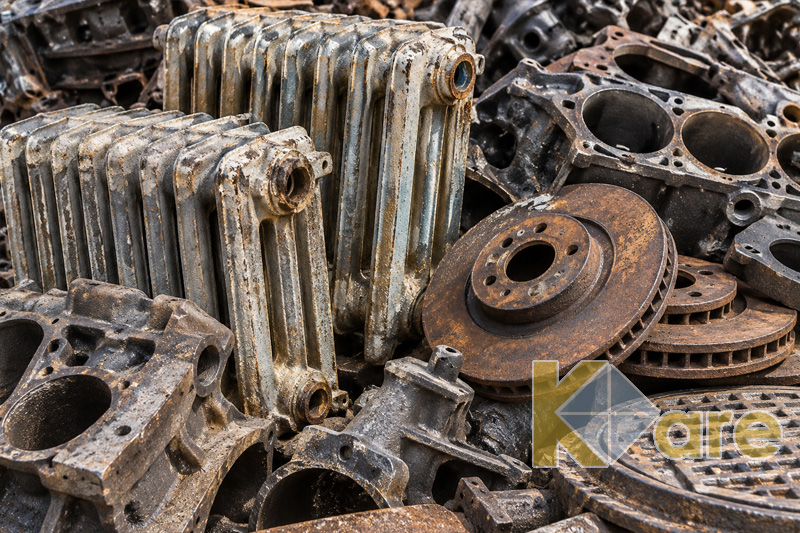
Cast iron is an iron-carbon alloy containing more than 2.14% carbon, typically around 2.5–4.0%. In addition to iron and carbon, most industrial cast irons contain silicon, which influences graphite formation and the metal's microstructure.
Cast iron is widely used in mechanical engineering, construction, and the production of pipes, machine tools and automotive components. Its main advantages include good casting characteristics, relatively low cost and the ability to produce complex castings.
Chemical composition of cast iron
Composition varies according to grade and intended application. The following approximate ranges are typical of common unalloyed casting irons:
| Element | Content | Role in the alloy |
|---|---|---|
| Iron (Fe) | Balance | Forms the metallic base of the alloy |
| Carbon (C) | 2.5–4.0% | Determines microstructure, hardness and casting behaviour |
| Silicon (Si) | 1.0–3.0% | Promotes graphitisation and improves casting properties |
| Manganese (Mn) | Usually up to 1.0% | Influences strength and carbide formation |
| Phosphorus (P), sulphur (S) | Restricted by grade | Affect brittleness, fluidity and casting quality |
Main types of cast iron
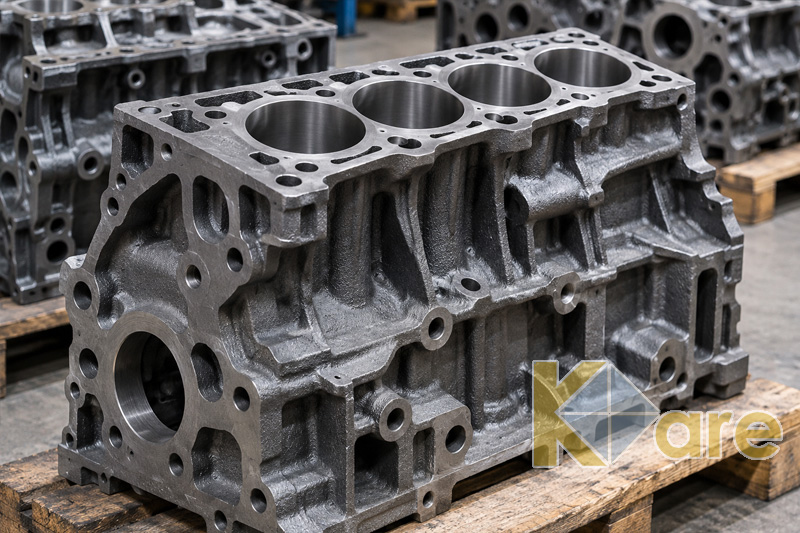
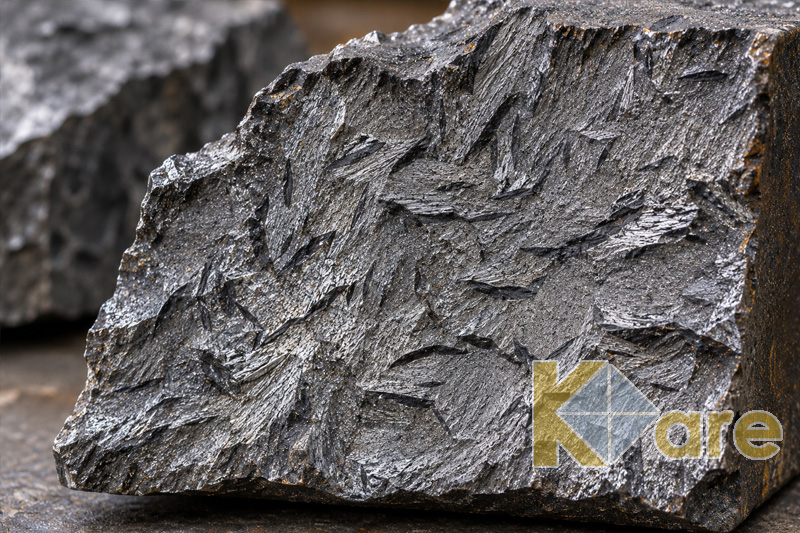
Grey cast iron. Carbon occurs mainly as flake graphite. It is generally easy to machine and provides effective vibration damping. Common uses include machine beds, housings and engine cylinder blocks.
White cast iron. A substantial proportion of carbon is bound in carbides. It offers high hardness and wear resistance but is relatively brittle. It is used for wear-resistant components.
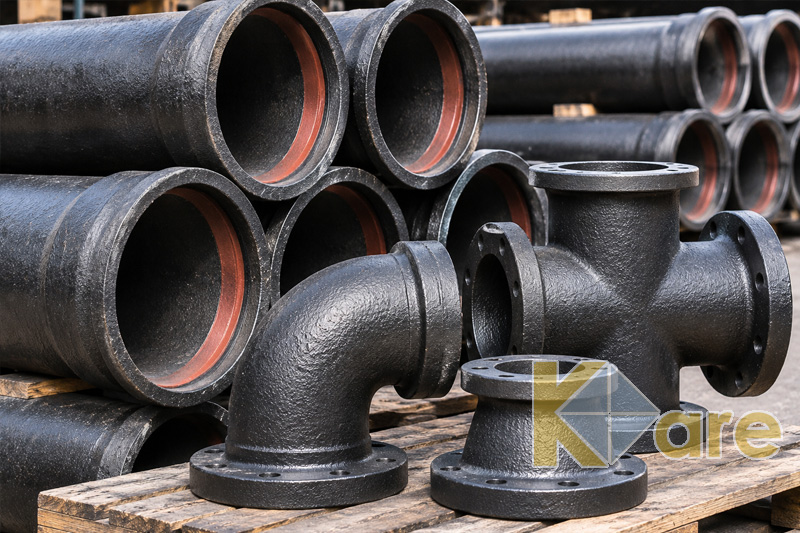
Ductile cast iron. Graphite is predominantly spheroidal, improving strength and ductility. Applications include pipes, crankshafts and structural castings.
Malleable cast iron. Produced by heat-treating white iron castings, it offers improved ductility and is used for fittings, brackets and mechanical components.
Properties of cast iron
Density: typically approximately 6.9–7.4 g/cm³.
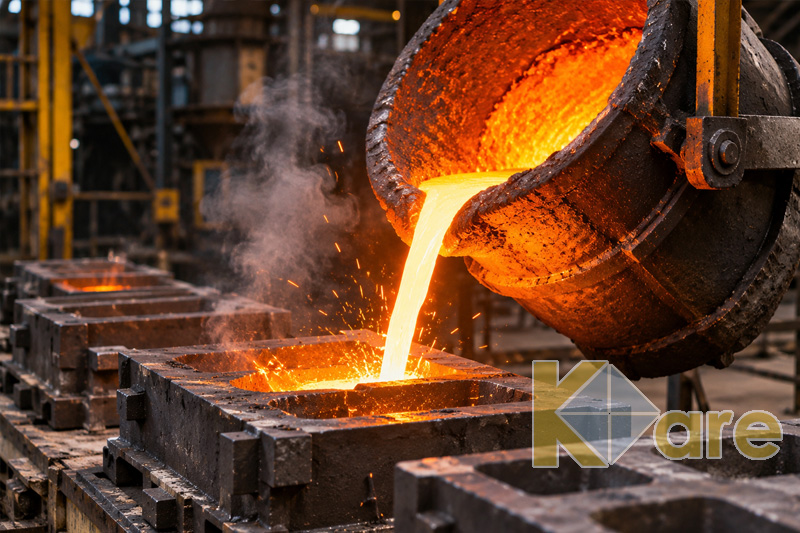
Melting temperature: approximately 1150–1250°C for many casting irons, depending on composition.
Castability: good molten-metal fluidity and suitability for complex shapes.
Strength: strongly dependent on graphite morphology, matrix microstructure and grade.
Machinability: grey cast iron is generally easy to machine; white cast iron is much more difficult.
Corrosion resistance: ordinary cast iron is susceptible to corrosion and may require protective coatings.
Applications of cast iron
- Engine cylinder blocks, brake discs and other automotive components.
- Machine-tool beds, gearbox housings and industrial equipment.
- Water and sewer pipes, fittings and valves.
- Pump housings, flywheels, pulleys and mechanical components.
- Heating radiators, stove parts, grates and manhole covers.
- Wear-resistant castings for mining and processing equipment.
Cast iron scrap and recycling
Cast iron scrap belongs to the ferrous scrap category. Sources include dismantled machinery, pipes, radiators, engine components, manufacturing offcuts and rejected castings.
During recycling, scrap is sorted, cleaned of foreign materials, reduced in size when necessary and sent for remelting. Scrap composition and quality determine its suitability for new metallurgical production.
Cast iron differs from steel through its higher carbon content and characteristic casting properties. When delivering scrap metal, it is important to follow the collection facility's requirements for size, contamination and material sorting.