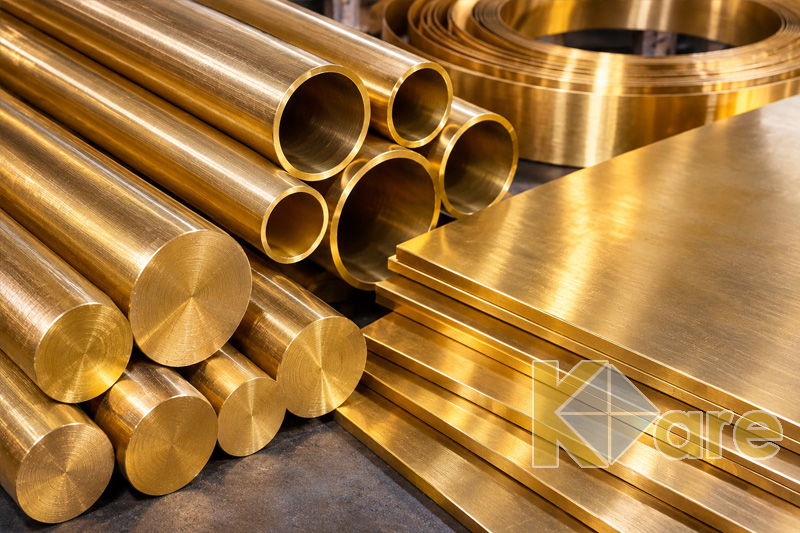
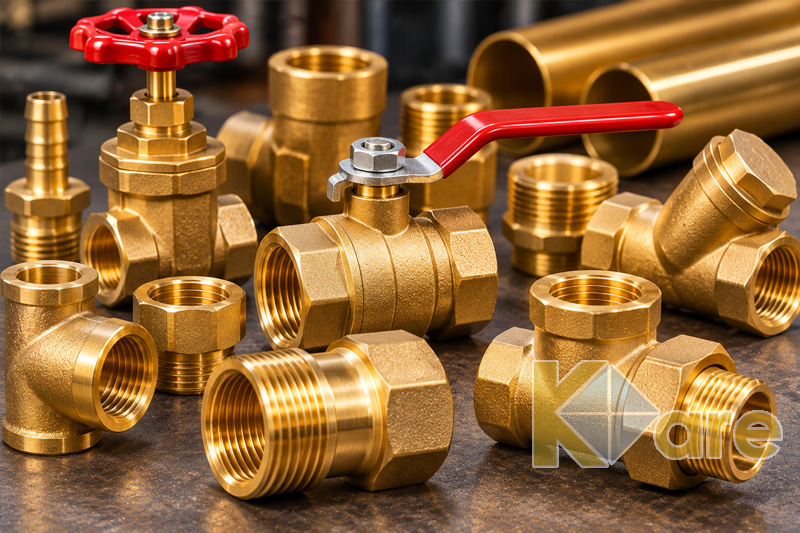
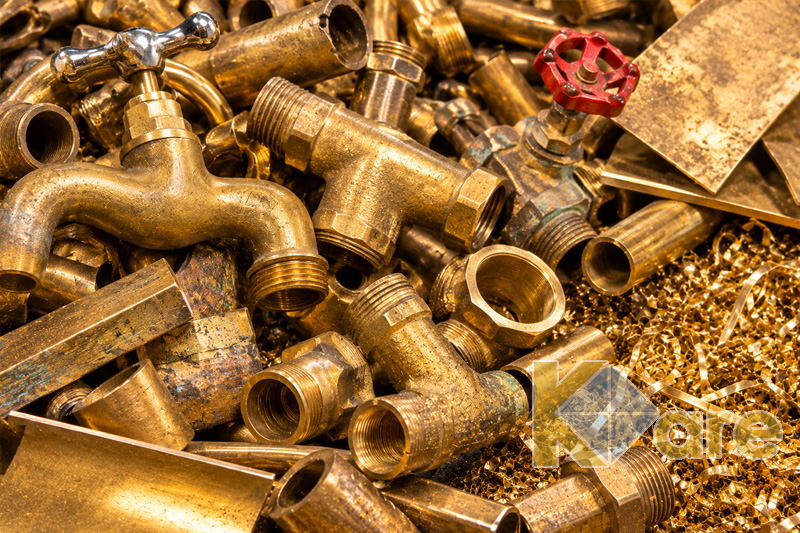
Brass is an alloy based on copper (Cu) and zinc (Zn). By changing the proportions of these metals, manufacturers obtain materials with different strength, ductility, colour and processing characteristics. Brass is recognised by its golden-yellow appearance, good workability and relatively high corrosion resistance.
Brass is widely used in engineering, plumbing, electrical equipment, construction and decorative products. Because of its copper content, brass scrap is a valuable material for recycling.
Chemical composition of brass
The main constituents of brass are copper and zinc. In common industrial grades, copper often accounts for approximately 55–95%, with zinc making up most of the remainder. Lead, tin, aluminium, manganese and other elements may be added to achieve particular properties.
| Element | Content | Role in the alloy |
|---|---|---|
| Copper (Cu) | Usually 55–95% | Base metal; contributes ductility and corrosion resistance |
| Zinc (Zn) | Balance | Increases strength and influences colour and processing properties |
| Lead (Pb) | In selected grades | Improves machinability |
| Tin (Sn) | In special grades | Can improve corrosion resistance in certain environments |
| Aluminium (Al), manganese (Mn) | In alloyed grades | Modify strength and service properties |
Main types of brass
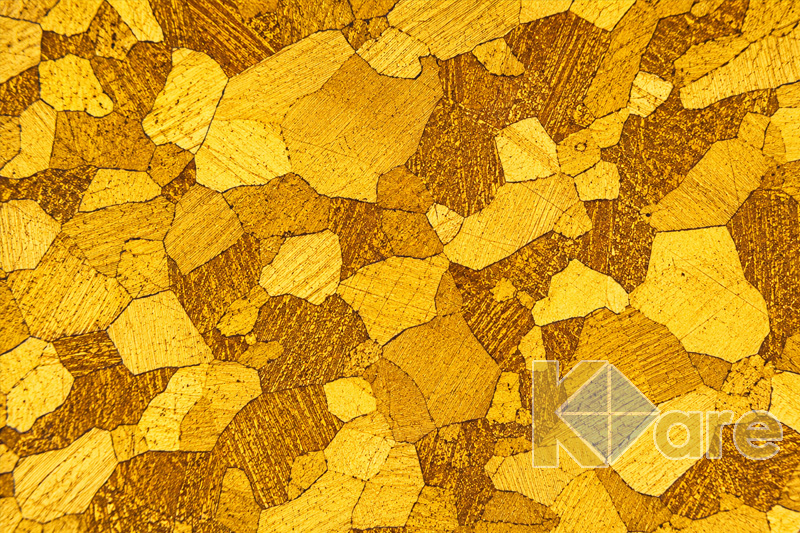
Single-phase (alpha) brass. Contains a relatively low proportion of zinc, generally up to approximately 35%. It is highly ductile and suitable for cold forming.
Two-phase (alpha-beta) brass. Contains more zinc and provides higher strength but lower ductility at room temperature. It is commonly used for hot working.
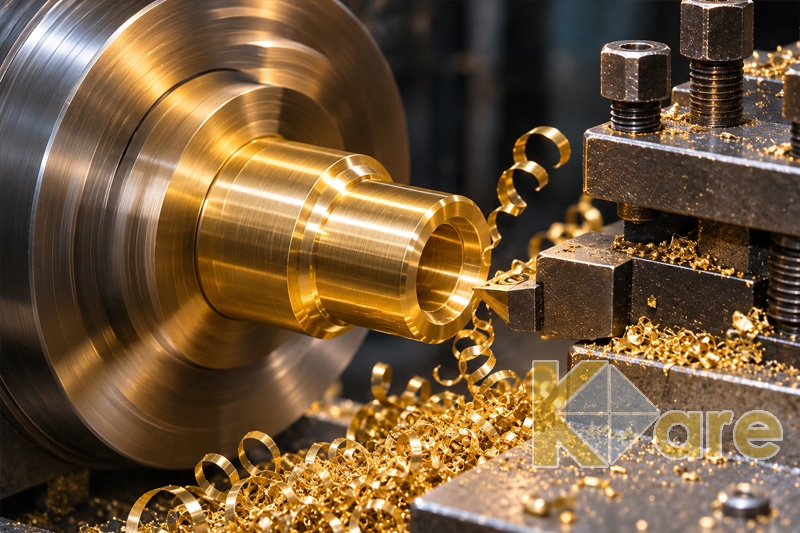
Leaded brass. Contains lead to improve turning and machining performance. It is used for fittings and machined components, subject to applicable lead-content restrictions.
Special brasses. May contain tin, aluminium, manganese or other elements to achieve specific strength and corrosion-resistance requirements.
European brass grades
European material designations use CW grades under EN standards. Composition and intended applications depend on the particular material and product standard.
| Grade | Designation | Characteristics and applications |
|---|---|---|
| CW508L | CuZn37 | Ductile brass for sheet, strip and cold stamping |
| CW505L | CuZn30 | Brass with good deep-drawing properties |
| CW617N | CuZn40Pb2 | Brass for hot stamping and fittings |
| CW614N | CuZn39Pb3 | Free-machining brass for turned components |
| CW602N | CuZn36Pb2As | Dezincification-resistant brass for selected water-system components |
Physical and mechanical properties
Density: typically approximately 8.3–8.7 g/cm³.
Melting range: approximately 880–950°C for many common grades, depending on composition.
Colour: ranges from reddish-gold to pale yellow, depending on zinc content.
Electrical conductivity: lower than that of pure copper but suitable for various electrical components.
Workability: many grades are suitable for stamping, rolling, forging and machining.
Corrosion resistance: good under many atmospheric conditions, although certain grades may suffer dezincification or stress-corrosion cracking.
What is the difference between brass and bronze?
The principal difference is composition. Brass is a copper-zinc alloy, whereas traditional tin bronze contains copper and tin. Aluminium bronze, silicon bronze and other bronze families also exist.
Brass often has a bright yellow appearance, is readily machined and is widely used for fittings, decorative components and valves. Bronzes are frequently selected for bearings, bushes and other parts exposed to friction and wear. Actual properties depend on the specific alloy grade.
Applications of brass
- Plumbing fittings, taps, valves and connectors.
- Electrical contacts, terminals and connectors.
- Pipes, rods, sheets and profiles for industrial manufacturing.
- Instrument parts, fasteners and precision-engineering components.
- Door hardware, decorative products and interior fittings.
- Musical instruments and selected heat-exchanger components.
Brass scrap and recycling
Brass scrap belongs to the non-ferrous scrap category. Typical sources include old taps, fittings, tubes, radiator components, industrial parts, machining chips and manufacturing offcuts.
During sorting, brass should be separated from bronze, copper and other metals. Coatings, steel inserts and contamination must also be considered. Zinc content and alloying additions affect the composition of the recycled material.
Recycling brass returns copper and zinc to the production cycle and reduces demand for primary raw materials. Scrap acceptance conditions depend on material type, cleanliness and the recycling company's requirements.